Advocate for Your Dog with a Full House
Helping Your Dog Thrive When the House Is Full
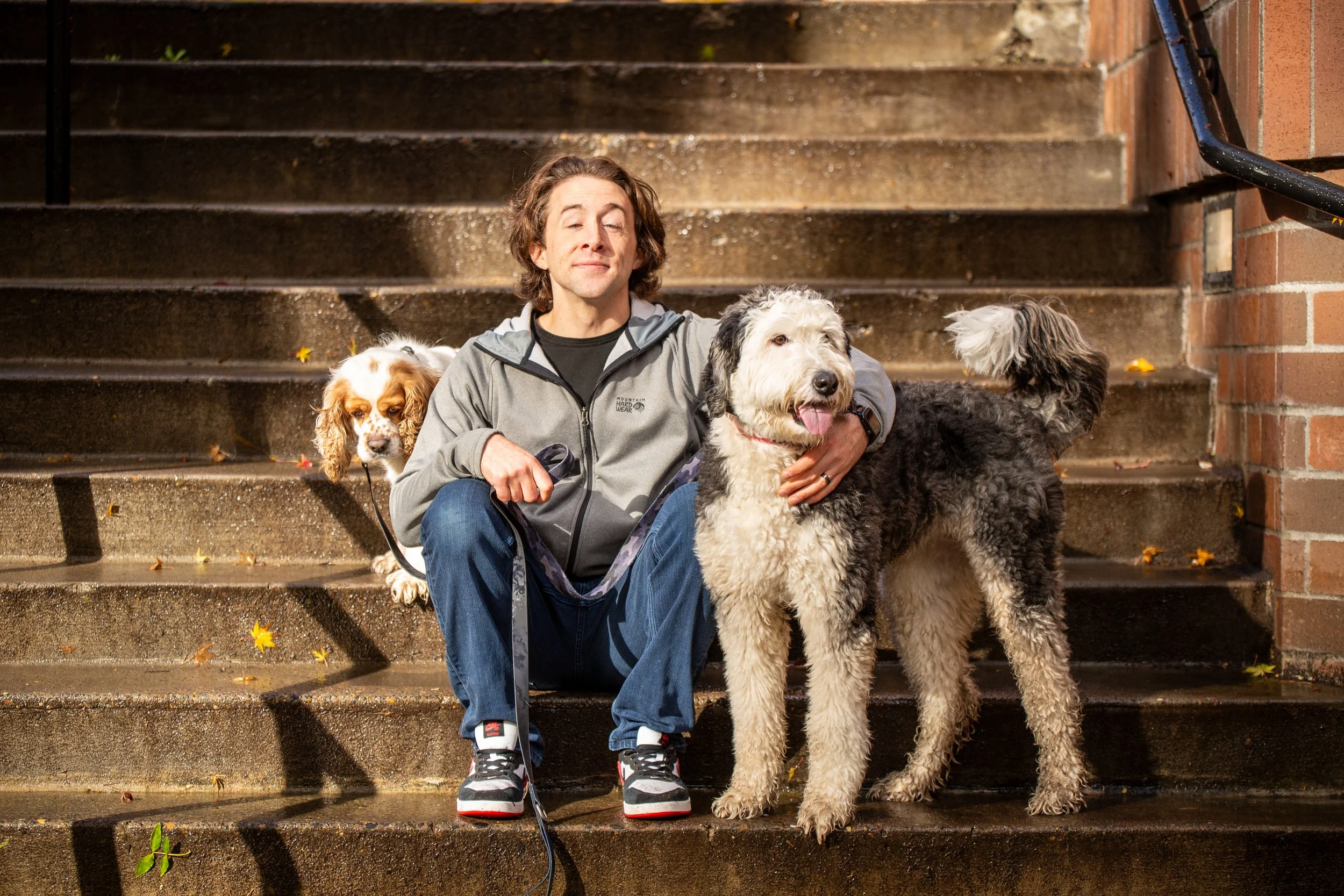
The holidays are a time for connection, celebration, and full houses for weeks at a time. But while we’re busy hosting friends and family, cleaning up and decompressing from a hectic season, it’s easy to forget one important thing: your dog lives with you too.
Your dog didn’t agree to surprise guests, loud conversations, unfamiliar smells, or other dogs entering their space. As their guardian, it’s your job to advocate for their needs and check in before, during and after your company visits. High stimulation can have lasting impacts on dogs, and today we will discuss how to set them up for any occasion.
Would You Do This to a Family Member?
Ask yourself this: would you expect a family member or friend to tolerate constant touching, ignored boundaries, or unfamiliar people crowding their personal space without support? Probably not. And your dog deserves the same consideration.
Advocacy doesn’t mean your dog is “bad,” “antisocial,” or “unfriendly.” It means you understand your dog as an individual and are willing to protect their comfort and emotional safety.
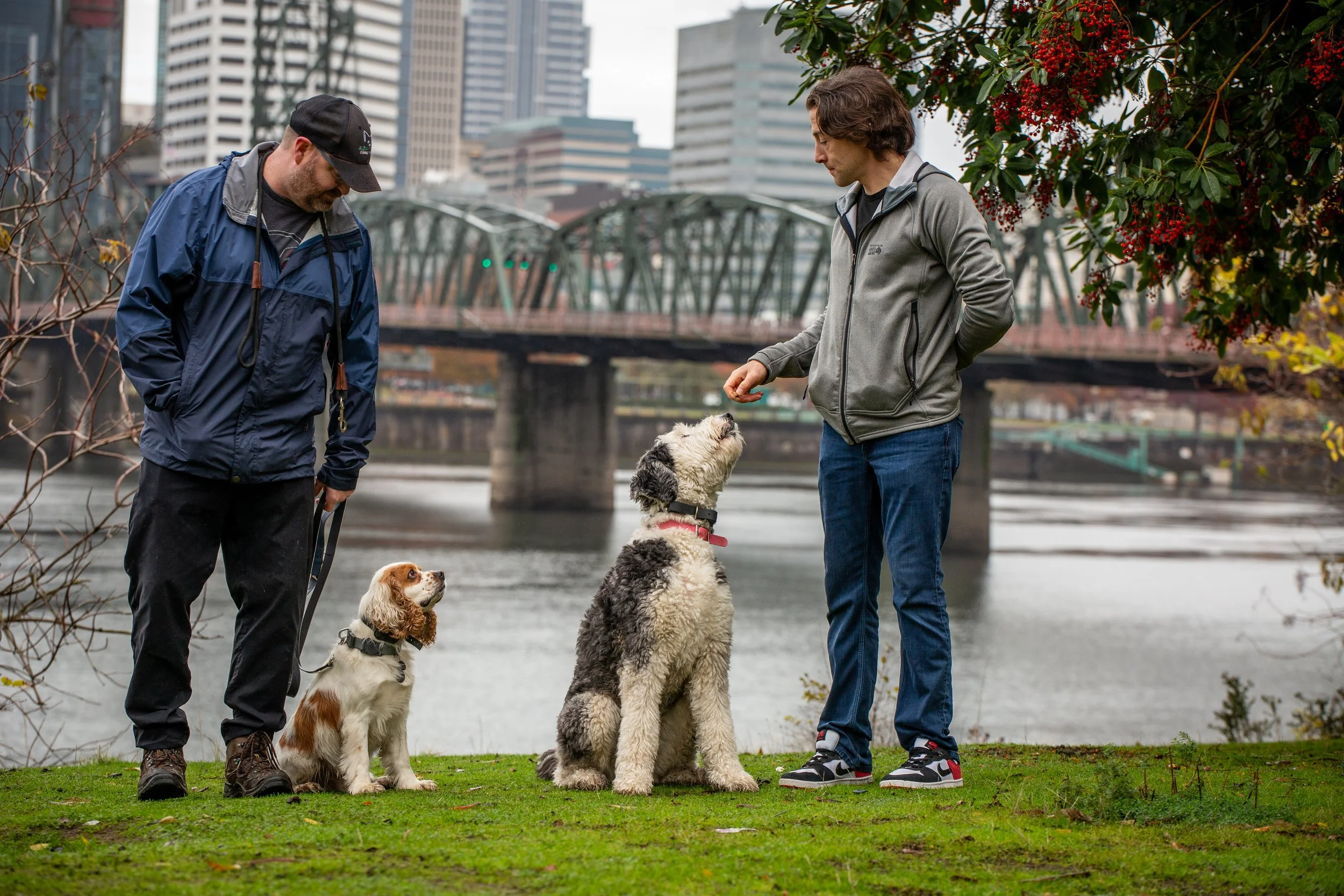
Don’t Neglect Your Dog’s Needs When Family Is Over
When guests arrive, routines often disappear. Walks get shortened, training cues are ignored, and dogs are expected to “just deal with it.”
But remember: the people in your house don’t know your dog.
They don’t know what makes your dog nervous, excited, or overwhelmed. That’s why it’s your responsibility to manage interactions and set expectations.
Set Clear Door Manners
The front door is one of the most stressful places during the holidays. New people, new energy, and constant arrivals can quickly overwhelm a dog. Calm entrances set the tone for the entire visit.
Tips for success:
Ask guests to ignore your dog when they first arrive
No reaching, petting, or talking until your dog is calm
Use gates, leashes, or place cues to give your dog structure
Advocate clearly: “Please let them approach you”
Tell Guests How to Interact
Many people love dogs, but loving dogs doesn’t always mean understanding them.
Be direct and confident when explaining how to interact:
No hugging or crowding
No staring directly into your dog’s face
No feeding table scraps
Ask before touching
Clear instructions protect your dog and prevent uncomfortable or unsafe situations.
Navigating Big Groups (and Other Dogs)
Holiday gatherings often mean multiple dogs under one roof, which can be especially challenging.
If guests are bringing their dogs:
Separate dogs with gates or crates when needed
Give each dog their own resting space
Don’t force interactions or “let them work it out”
Supervise constantly, even dogs who normally get along
Sometimes the most loving choice is management and separation, not socialization.
After the Holidays: Observing & Supporting Your Dog
Once the guests leave and the house gets quiet, your dog may still be processing the experience. Watch for signs of stress or fatigue:
Increased sleeping or withdrawal
Clinginess or irritability
Changes in appetite
Heightened reactivity on walks
Avoidance behaviors
After-Care Tips
Stress doesn’t always show up immediately…sometimes it appears after the excitement is over.
Return to predictable routines
Offer decompression walks or enrichment
Give your dog choice and quiet time
Avoid additional social demands for a few days
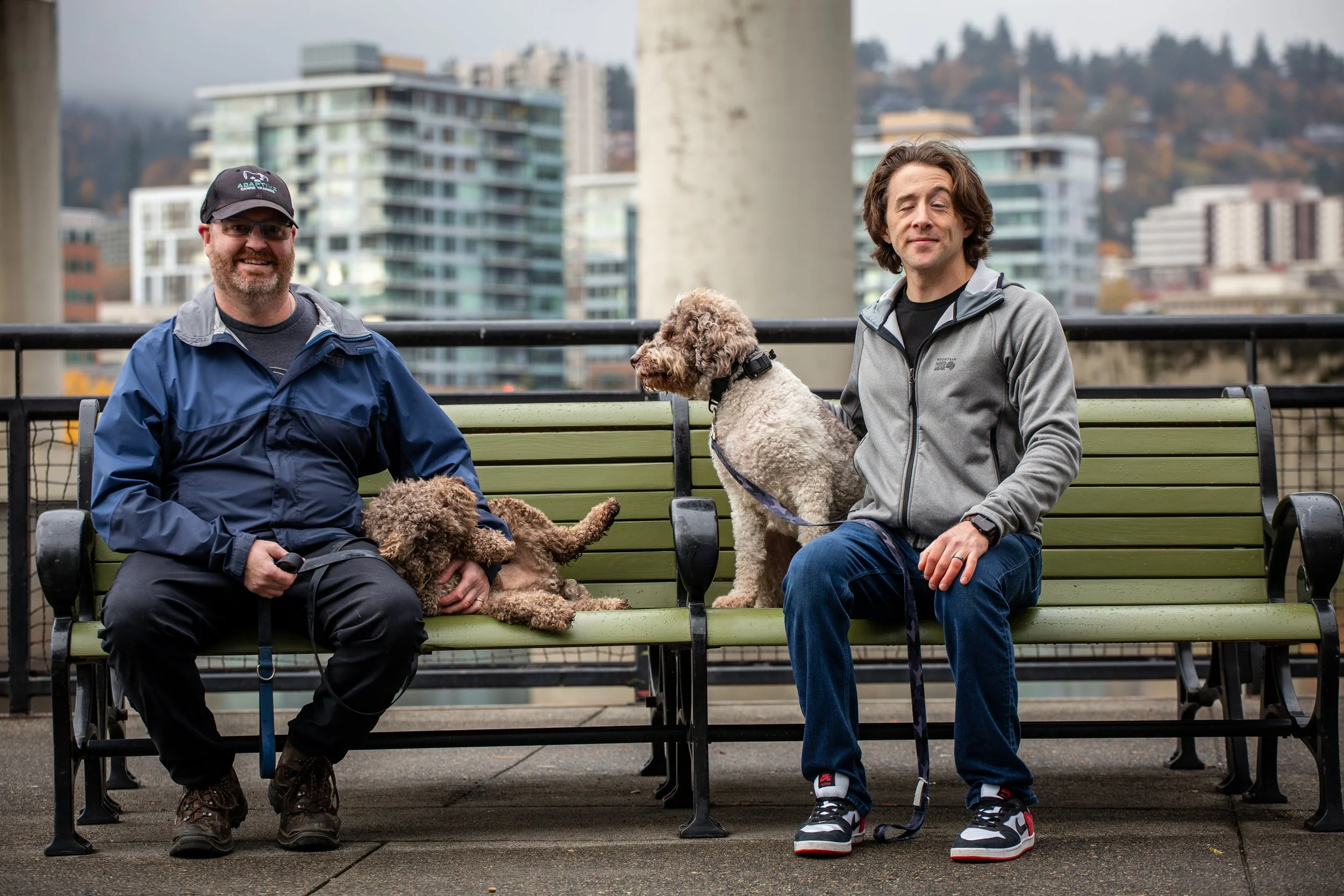
Advocacy Is Love!
Advocating for your dog during the holidays isn’t rude, dramatic, or overprotective. It’s compassionate, responsible, and necessary.
Your dog trusts you to speak up when they can’t. When you honor their boundaries, you strengthen your relationship and help them feel safe in their own home.
Your dog deserves to enjoy the season too. 🐾