Brendan’s Hot Take: Let’s Talk Treadmill!
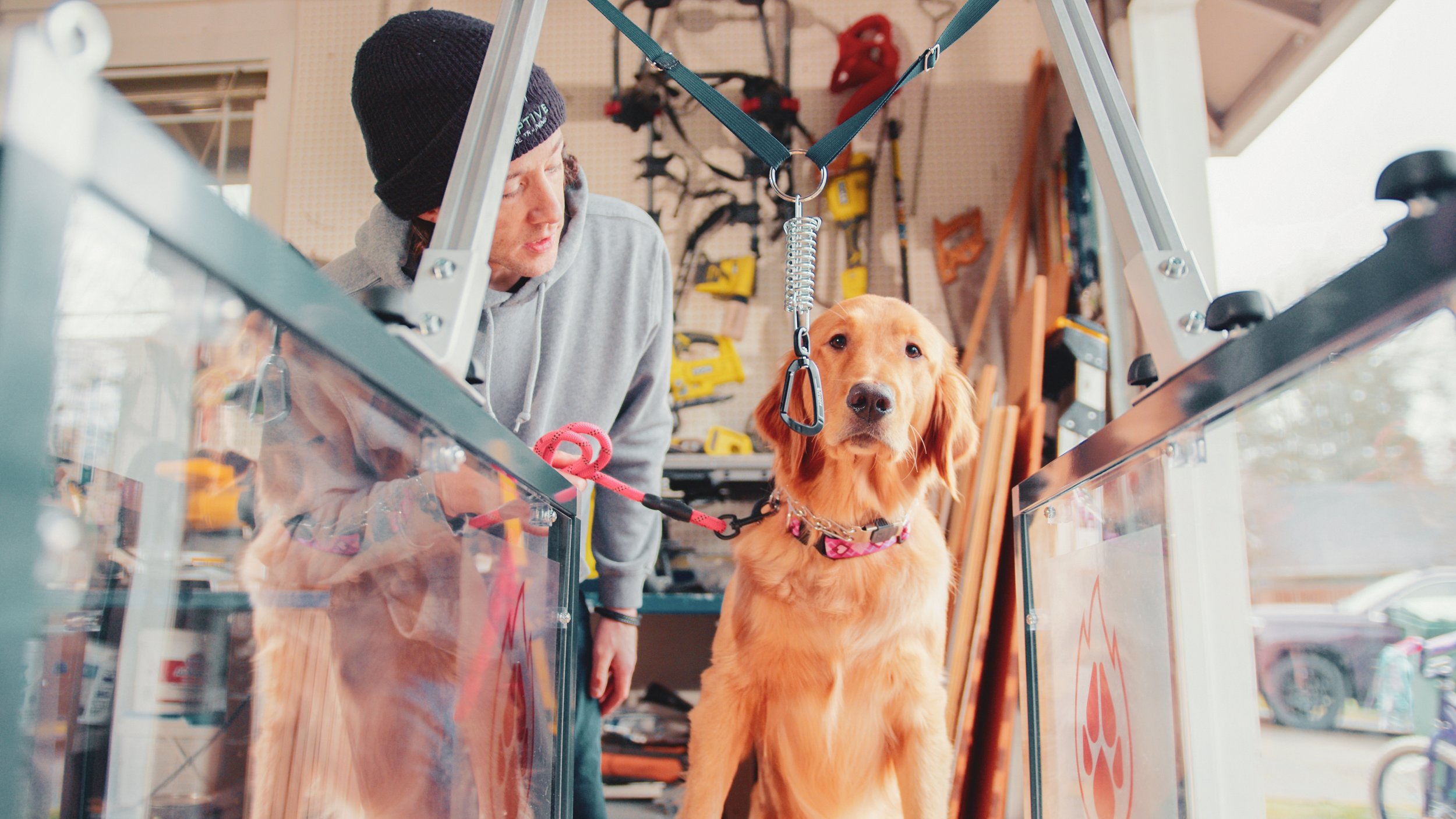
Treadmill services are few and far between, and we have been thrilled to include it as a service. Ideally, this service should be as simple and showing up, giving us an update on your pup, and we take care of the rest. It’s a relatively new offer in the pet care world and has a few advantages for both dog and owner. The ideal outcome is to take a huge load of energy off your dog for that end-of-day satisfaction you want out of boarding or day training.
But let’s talk about their pre-workout prep: you've gotta tell me what's going on.
One of the biggest advantages of having your dog come in for treadmill work is that you don't have to figure out the whole exercise plan yourself -that’s my job! And my priority is your dog, which that means I'm going to pay attention to how they're feeling that day and adjust accordingly. So let's talk about what I need from you before your dog gets on the machine.
Potty Break
Please make sure your dog has had a chance to go potty before their appointment. This is not complicated advice, but it matters. Think of it like taking your kids to the pool. You don't want to discover five minutes into the activity that someone really should have used the bathroom first. A treadmill session isn't the time to realize your dog has been holding it for the last three hours, or be dealing with a tummy issue from the night before. Give them a chance to take care of business before they arrive, and everybody has a better experience.
Water, please!
Make sure your dog has been drinking water day-of! We're about to ask them to exercise, and hydration matters. You don't need to force them to drink a gallon of water before their appointment, obviously, but don't show up with a dog who hasn't had access to water all day.
And if something is different about their drinking habits - if they're suddenly drinking way more or way less than usual - tell me. This is exactly the kind of information I want to know before we start.
Tell me if your dog isn't feeling it
This is probably the most important part of this whole post. If your dog isn't feeling well, please tell me. If they're lethargic, unusually cranky, sore, recovering from something, or just generally acting like they're having an off day, I want to know before they get on the treadmill.
Same goes for a dog who just came back from a massive hike. If your dog spent yesterday climbing a mountain, swimming for hours, or chasing squirrels across half of Thousand Acres dog park, today might not be the day for an additional strenuous workout.
You wouldn't completely change your workout routine right before running a marathon and then wonder why your body wasn't thrilled about it. Your dog deserves the same consideration. The idea is to give dogs necessary daily exercise as opposed to being alone at home all day. If they’re already gotten their weekly workout in, they probably don’t need the additional treadmill workout!
And here's the important part: we can reschedule. You don't need to rearrange your entire life around making sure your dog gets their treadmill session on the exact day you originally booked. If they're having an off day, let me know. We'll figure it out! I love treadmill work because it's versatile, controlled, and can be a really useful part of a dog's overall exercise routine. But I don't want anyone thinking, "My dog needs more exercise, so I'll just keep adding more exercise."
The treadmill should generally be supplemental to your dog's overall activity, not another thing we pile on top of an already packed exercise schedule. This is especially important because dogs don't always know when they've done enough, and it’s up to us to help translate their behaviors. Or, depending on the dog, they absolutely know when they've done enough and would like to file a formal complaint.
My job is to look at the bigger picture: How much are they walking? What are they doing at home? Are they hiking? Playing? Resting? How are they recovering? How old are they? What does their body look like it's telling us? That's information I can use to help you figure out whether your dog actually needs more exercise, or maybe a little less.
All this being said, don’t feel the need to prepare your dog for the treadmill. This is one of those things that might seem counterintuitive. You might think, "I'll take my dog on a big walk before their treadmill appointment so they get some energy out." Please don't! At least, not specifically to make them easier to work with.
When you walk your dog right before a treadmill session, you can sometimes mask the very behavior or physical condition I need to see. Like being unusually tired, moving differently, overstimulated, or any other sign of having trouble regulating themselves. I need to know that.
If I only see the version of your dog who has already been exercised into submission, I'm missing information that could help me make better decisions about their workout. So, again: just show up. We'll do the rest. Just tell me what's been happening beforehand.
Your dog's pace is their pace
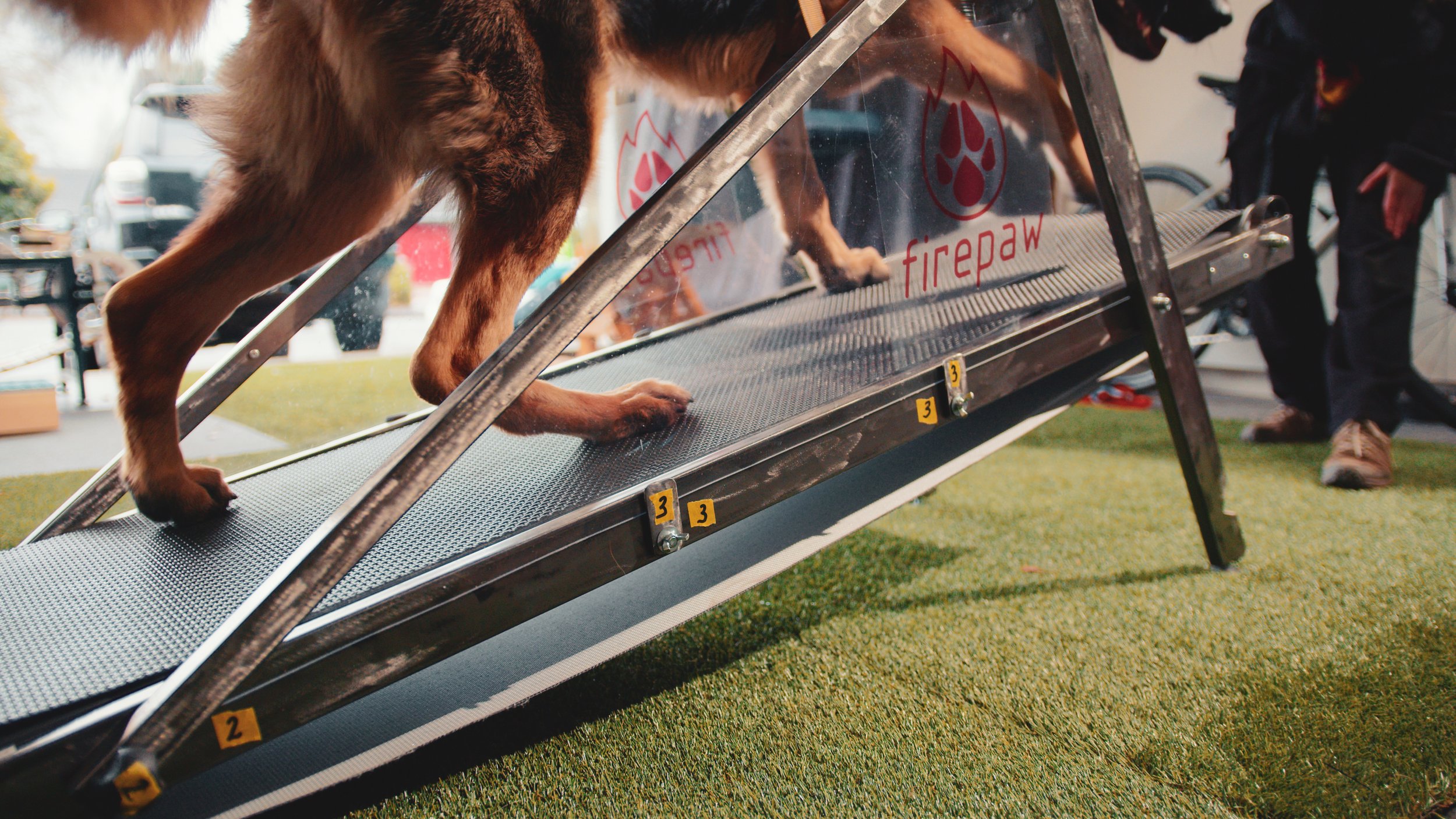
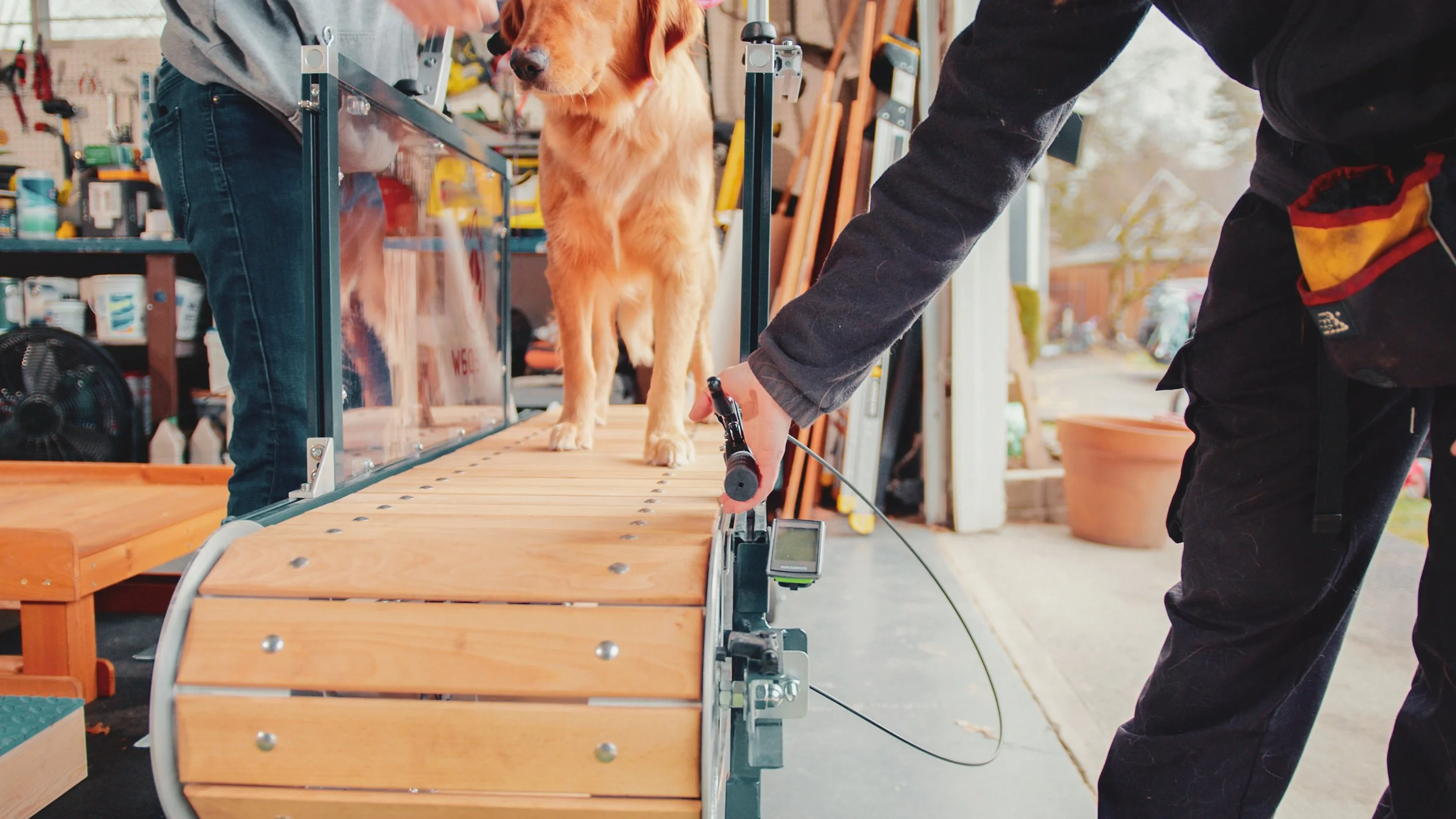
One of the things I love about our treadmill setup is that dogs are able to set their own pace on the machine. That makes the experience pretty transferable for a lot of dogs because we're not forcing them into some arbitrary speed that we've decided they need to maintain.
There are, however, some exceptions to this that are good to consider. Senior dogs and dogs with mobility issues may need a different approach, and that's something we're equipped for. We have a specialized treadmill that allows us to accommodate dogs who need additional support. That's part of what makes this service so inclusive and versatile.
So what's my actual hot take?
Treadmill work is a tool. It's a really useful tool, but it's still just one piece of the bigger picture. You don't need to show up with a perfectly exercised dog. You don't need to tire them out beforehand. You don't need to decide how fast or how long they should go.
That's my job.
What I need from you is the information that I can't get from the treadmill. Tell me how your dog has been doing, what their week has looked like, or if something seems off. Then let me do what you brought your dog to me for.
We're trying to give your dog an appropriate, useful, and positive workout, whether that means more or less exercise. And sometimes it means saying, "Let's do this another day."
That's being adaptive.