Brendan’s Hot Takes: Low Effort Can Be Higher Impact
One of the questions I get all the time is, "What's the difference between foundation training and basic obedience?" And honestly, there a few things that can slip through the cracks, even when investing in professional training. The reality is, most of your life with your dog isn't spent asking for a perfect heel or showing off commands at the park. It's spent at home; watching TV, cooking, hanging out with your kids, working in the yard…..You know, living your life! It’s important to understand that foundation training is about fixing the things that drive you crazy at home. where basic obedience is about taking those skills and making them work both inside and outside the house.
So here's one of my hot takes: Your low-effort moments with your dog can have a bigger impact than your high-effort training sessions. So what are the foundations of the foundations? I’m so glad you asked!
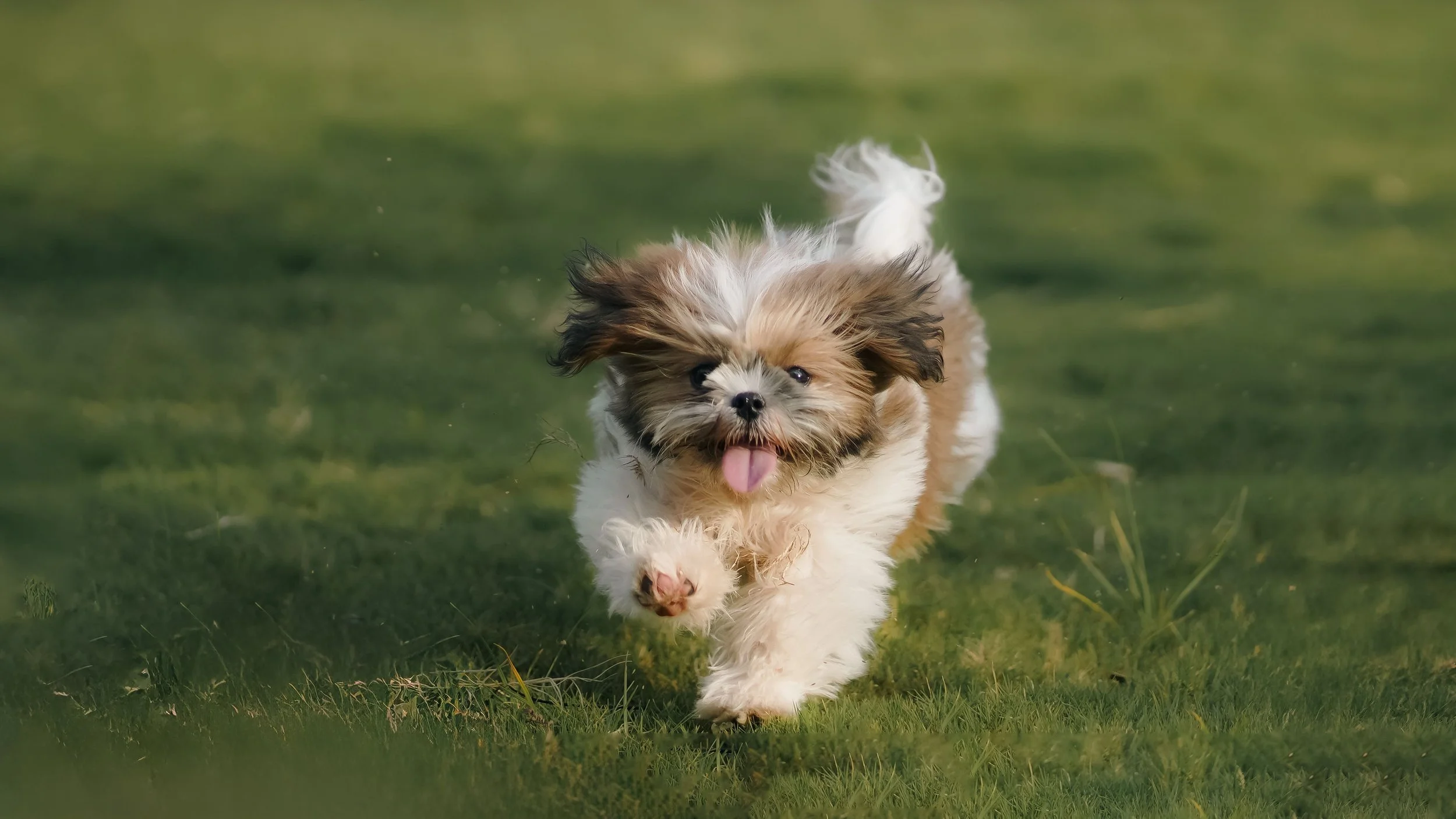
We Spend a Lot of Time Teaching Dogs to "Go"
Dog owners today are incredible at providing enrichment like snuffle mats, puzzle toys, KONGs, long walkies, fetch, dog parks. We know these activities are designed to engage their minds and bodies. And let me be clear: none of these things are bad. But somewhere along the way, we've convinced ourselves that every interaction has to be stimulating. What happens when your dog only understands life in "go mode"? They become really good at getting excited... and really bad at settling down. That's the piece I think gets overlooked.
Your Dog Needs a Wind-Down Routine - Just Like You!
Especially during the warmer months, when you're naturally spending less time running around outside, you have an opportunity to work on something that's just as important as exercise. Teach your dog how to self-regulate! That doesn't mean putting them in a crate and praying they fall asleep on their own. It means intentionally rewarding calm behavior during everyday life. This is exactly why we train our dogs actions like “wait” for their food.
Maybe your family is enjoying dinner, and something that is tasty to humans but toxic to dogs falls on the ground. We can understand why dogs need the self-control and discipline to learn how to control the urge to eat everything in front of them.
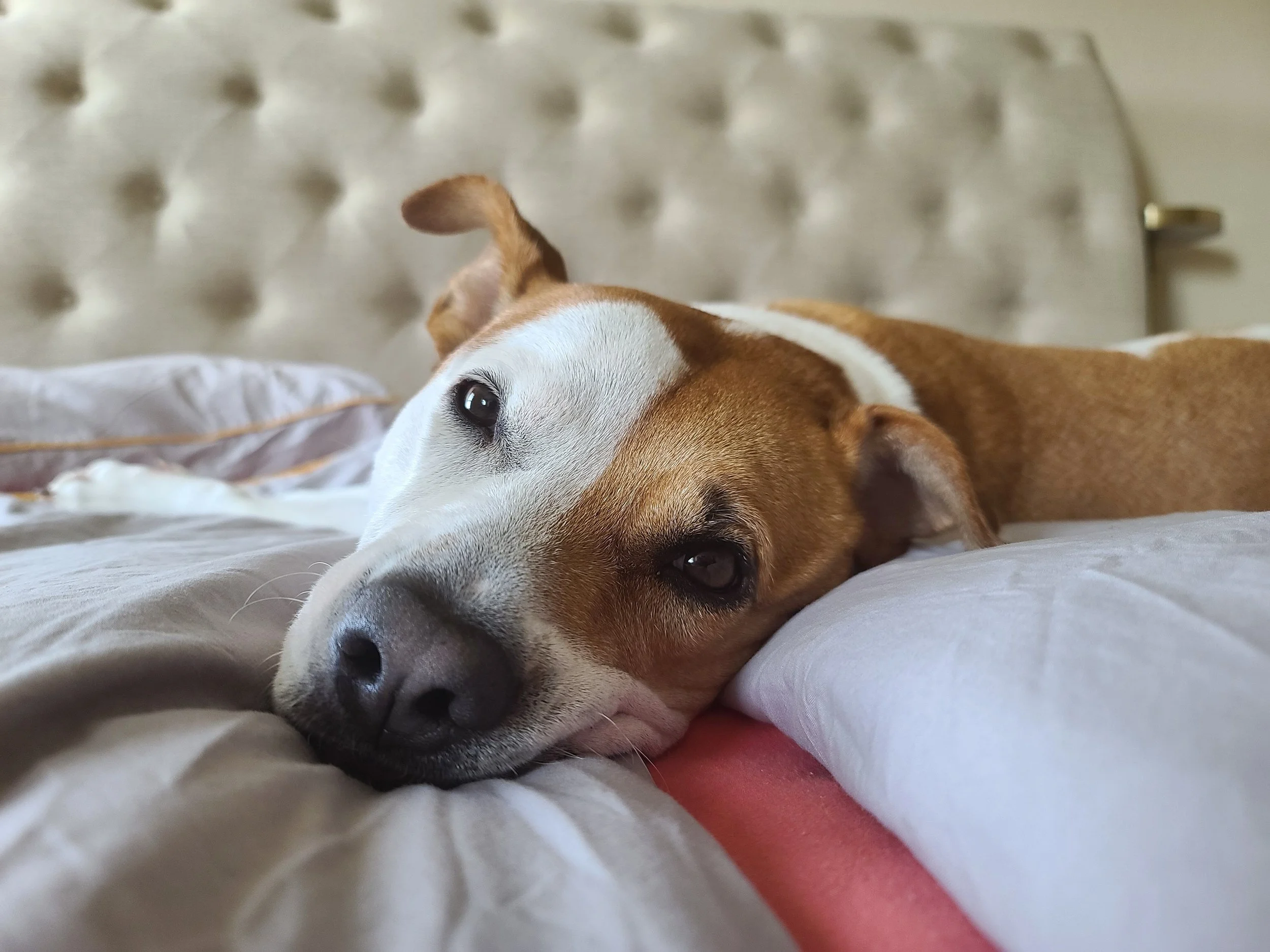
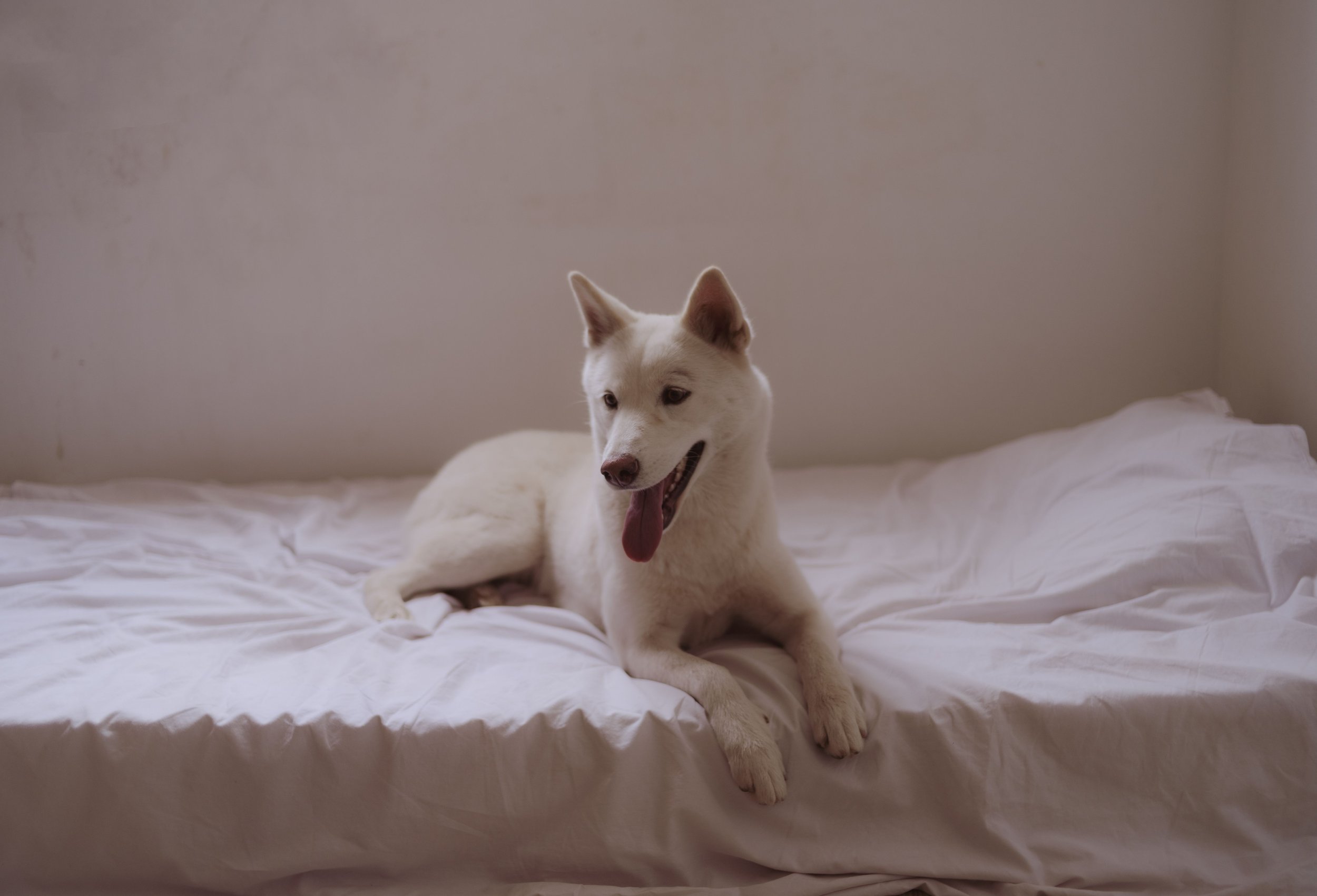
But let’s say you're folding laundry or catching up on a show, and your pup is curled up politely taking a nap or resting from play time. This is a great opportunity to reward your dog for keeping calm during potentially exciting activities, like trying to chase a fitted sheet while you desperately try to make the bed. Instead of constantly asking your dog to do something, simply notice the moments when they're making good choices on their own.
Think about the gentle actions at home that are also worth rewarding:
-They're lying quietly on their bed.
-They're watching the kids without jumping into every game.
-They're relaxing nearby instead of demanding attention.
That's when you quietly reinforce those behaviors with a calm "good dog", a piece of kibble, a quick pat on the head, and then move on. You're teaching your dog that being relaxed is just as rewarding as being excited.
The "In-Between" Moments Matter Most
One thing I encourage my clients to think about is this: How do you actually want your dog to live their life? If every reward comes during structured games or training sessions, your dog starts believing that excitement is the only way to earn your attention. But life isn't one long game of fetch. The magic happens in the in-between moments when your dog learns that quietly existing with the family is rewarding. You're building emotional stability, not just obedience!
Hot Days Are the Perfect Opportunity
Summer heat often limits our ability to go on long walks or play hard outside. Instead of seeing that as a setback, use it as a chance to change the focus of your training. Less intensity = More intention.
You don't always need another enrichment toy or another high-energy activity. Those definitely have their place, but they shouldn't replace teaching your dog how to come back down afterward. Learning how to relax is equally important as learning how to play and interact with other dogs.
In fact, that wind-down process is mentally challenging in its own way. Your dog is practicing impulse control, emotional regulation, and learning how to exist peacefully in your home. That's a skill they'll use every single day that you’ll notice more and more in those slower moments.
My Hot Take?
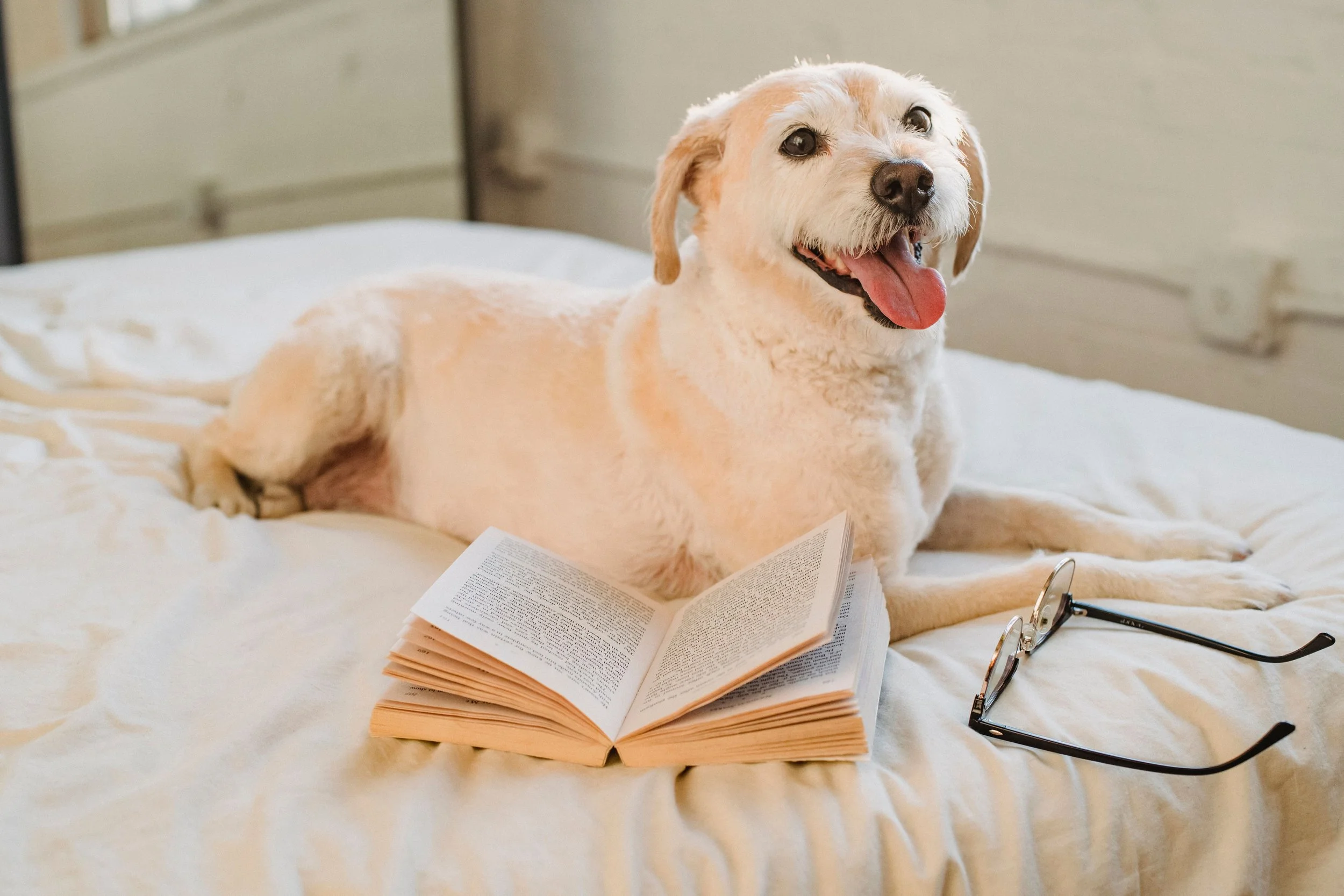
One of the best gifts you can give your dog isn't another activity. It's showing them that life doesn't always have to be exciting. Teach them when it's time to work, play, and rest.
But don't forget to teach them when it's time to simply be. Those quiet moments may look like you're doing less but I promise, they're accomplishing more than you think.