The “I’ve Tried Everything” Package - Practical Tips for the Basics that Stick
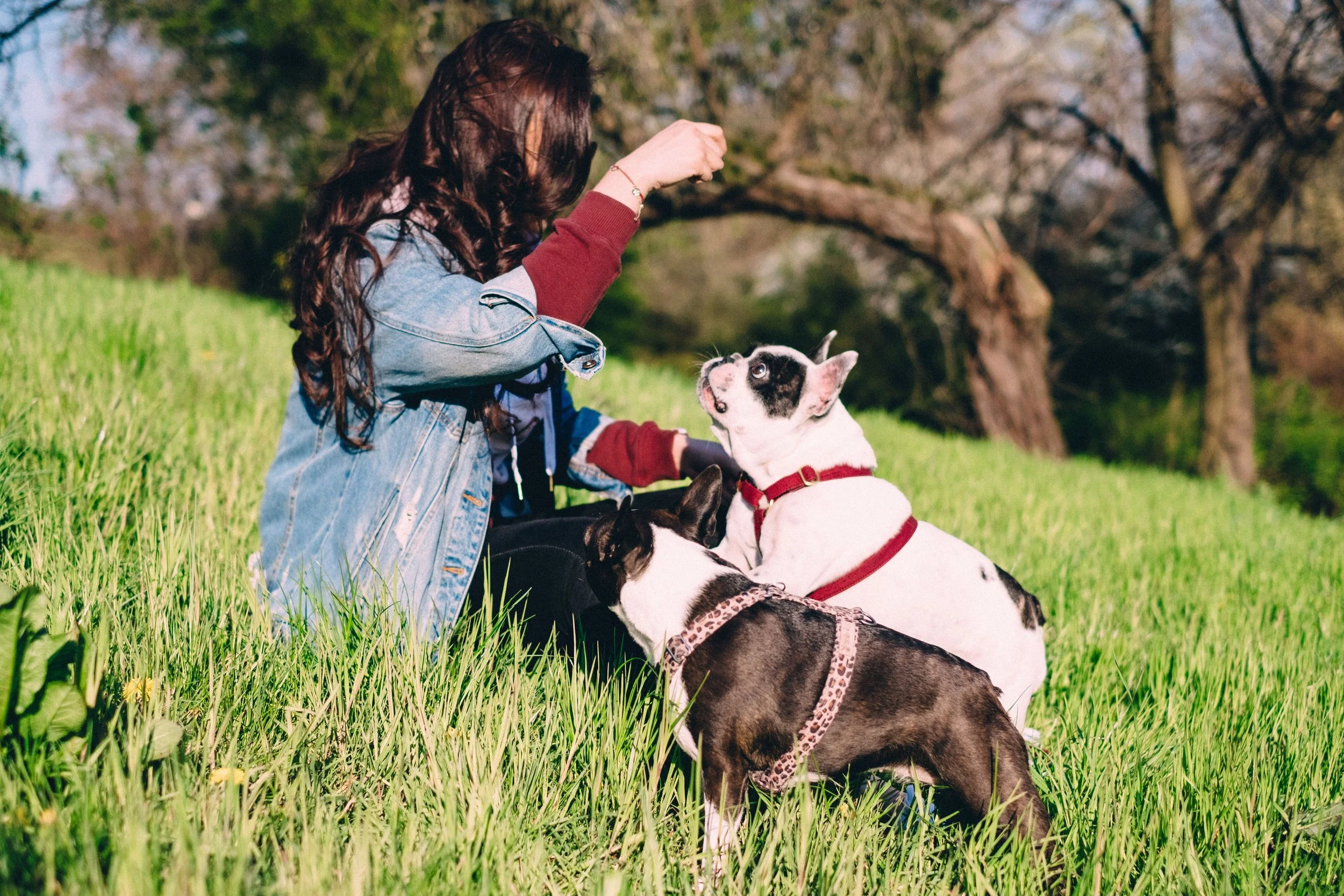
There comes a point in every dog owner’s time where you come to a stand still in your dog’s progress. If you’ve scoured forums, watched training videos, and tried friends’ tips but still feel stuck, you’re not alone. Even dogs who go through professional training programs can have issues with consistently reinforcing the new behaviors and habits at home. I want to empower you with the reassurance that this is part of the process, and provide some insight that can help you and your pup overcome this block!
Below are three common trigger behaviors that signal it’s time to dig deeper. We can consider what’s normal, what’s a red flag, simple steps you can try now, and when to reach out for professional help.
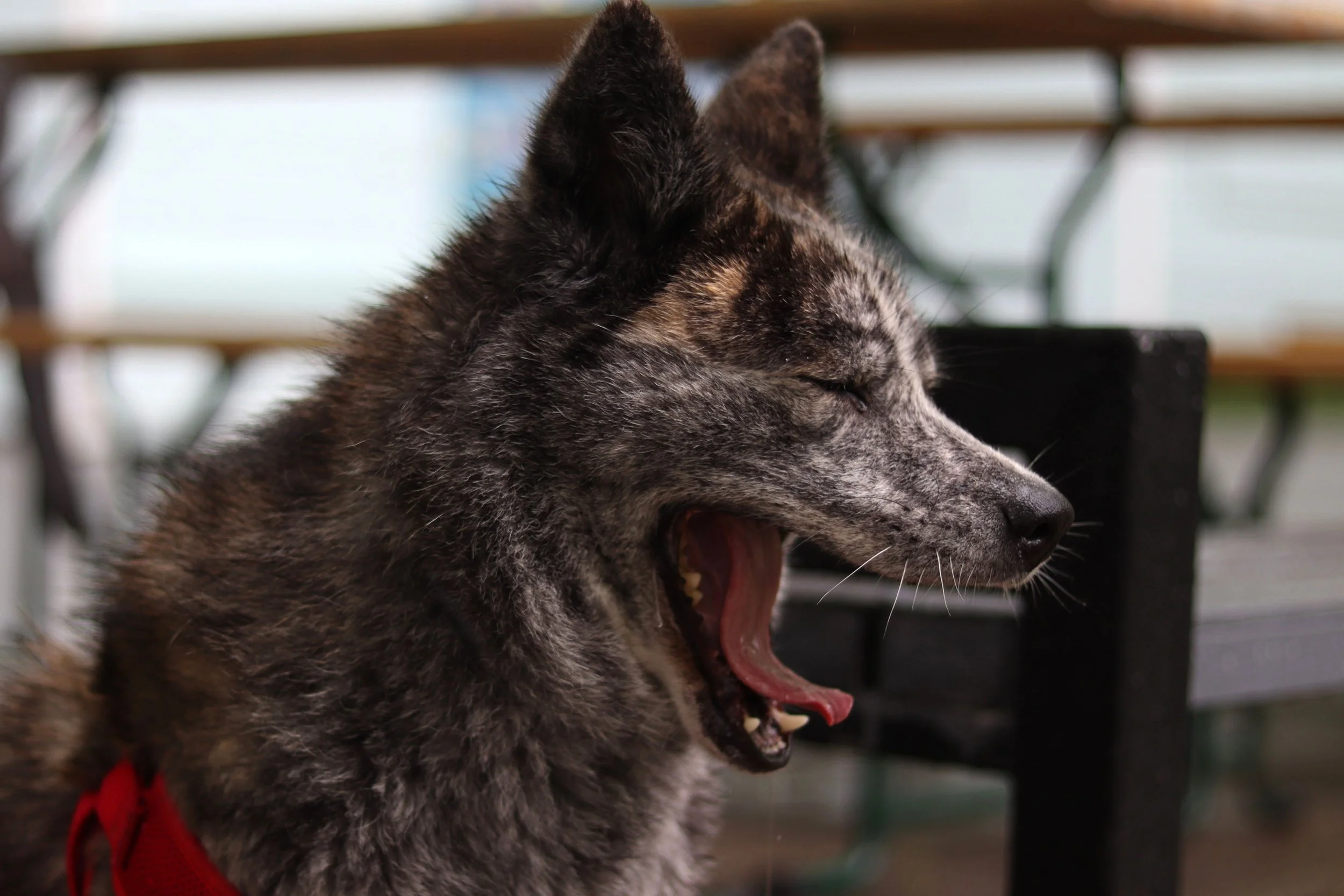
Reading and Responding to Body Language
Normal: Yawning, turning away, brief lip-licking, or avoiding eye contact in new or stressful situations (mild stress or uncertainty).
Red flag: Escalation to stiff posture, raised hackles, fixed stare, lunging, snapping, or biting when exposed to specific triggers.
Try this: Slow interactions, give space, use calm energy, and reward small calm choices. Film short clips of interactions to review or share with a trainer.
When to call us: If signals escalate or become unpredictable, schedule a behavior consult so we can identify triggers and build a safe desensitization plan.
Potty Training That Won’t Stick
Normal: Occasional accidents during learning, regressions after schedule changes or illness.
Red flag: Frequent indoor elimination despite a consistent schedule and veterinary clearance, or sudden accidents in an adult dog.
Try this: Use a predictable schedule (outside first thing, after meals, after naps, before bed). Calmly ignore accidents as they happen, clean with an enzymatic cleaner, and immediately reward outdoor eliminations. Keep a potty log to find patterns.
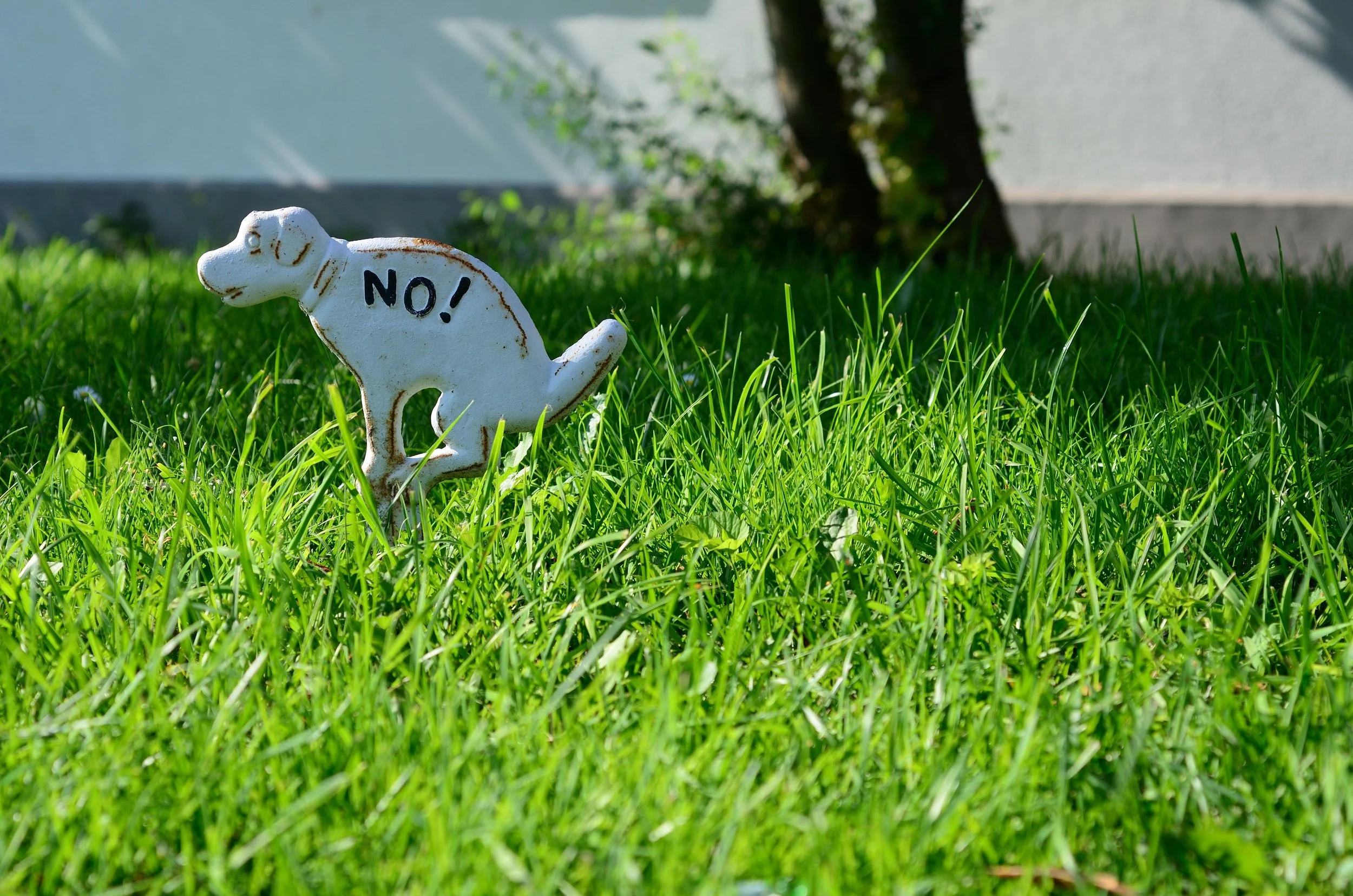
When to call us: If accidents persist despite consistent management, we’ll troubleshoot routines, rule out management mistakes, and create a tailored potty plan (including rainy-day strategies for Portland life).
Leash Reactivity and Over-the-Top Walk Behaviors
Normal: Brief barking or lunging at rare, intense triggers that’s easily redirected with treats and attention.
Red flag: Repeated, intense lunging, barking, or snarling at dogs, people, or bikes - especially when reactions grow stronger or you can’t get your dog’s attention.
Try this: Manage distance (cross the street early, change routes), carry high-value treats, and work a reliable “look at me” cue in low-distraction settings before building up.
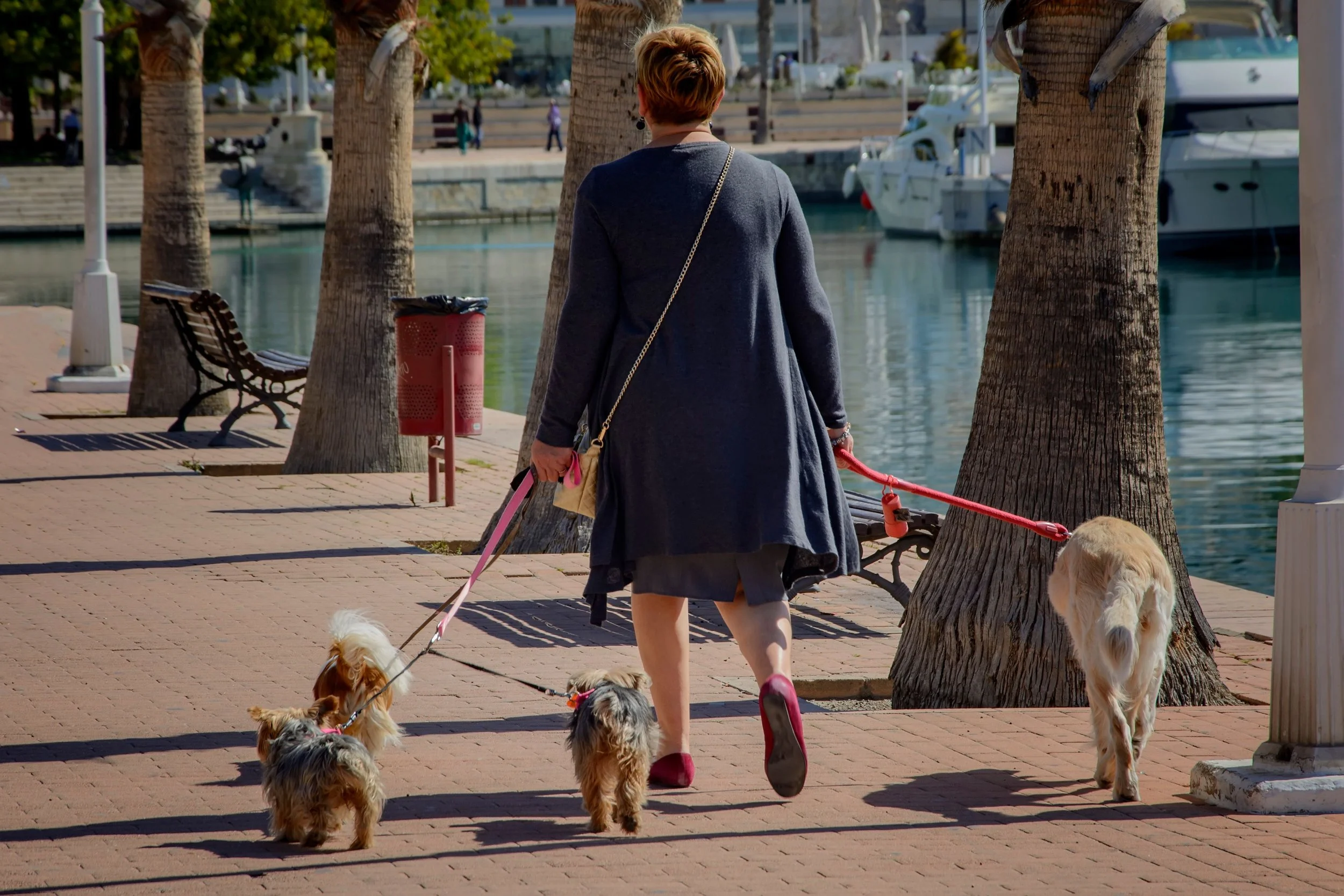
When to call us: If management and redirection don’t reduce reactions, our leash-reactivity sessions provide live coaching, equipment recommendations, and stepwise desensitization.
Reassurance! You’re Probably Doing a Lot Right.
Most owners already have the essentials; consistency, calm energy, and positive reinforcement. Often, small adjustments (timing of rewards, clearer routines, reading subtle signals) produce big improvements. For example, potty training: calmly ignoring an accident and immediately rewarding outdoor success teaches the right association faster than scolding.
Don’t be afraid to keep asking for help! Remember, dogs don’t speak in the same ways we do. But, they can learn our language and develop an even more unique one with their owner. It’s all about being patient with yourself, and your dog will surely follow suit.