So You’re Ready for a Dog; What Breed Fits You?
One of the most common questions I get from people is: “What breed should I get?”
Honestly? That’s the wrong place to start.
Before you pick a breed, you need to figure out what kind of life you can realistically provide for a dog. Too many people choose based on appearance, trends, or social media clips without understanding what generations of breeding were actually designed to produce. A dog’s genetics matter. A lot.
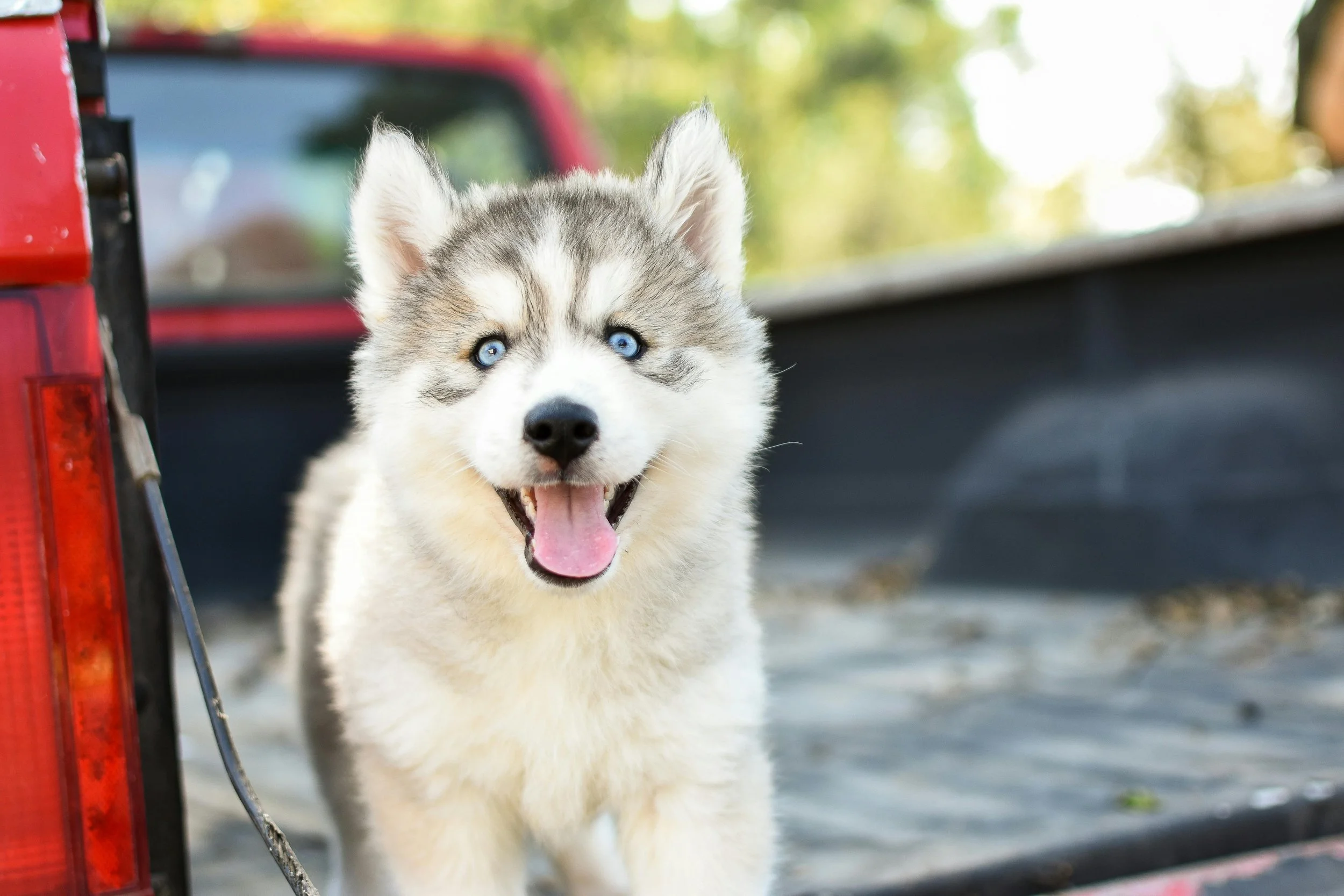
That fluffy husky, intense malinois, stubborn bulldog, or velcro golden retriever didn’t accidentally become that way. Humans intentionally shaped those traits over decades, sometimes centuries, for specific purposes. The best thing you can do before bringing home a dog is learn to work with those genetics instead of fighting against them.
Start With the Big Question: Working Dog or Companion Dog?
This is usually the first fork in the road. At the broadest level, most breeds lean toward either being a working breed or a companion breed. That doesn’t mean every individual dog is actively working. There’s a difference between a working breed and a working dog.
A husky sleeping on your couch is still genetically a husky. A border collie in the suburbs is still genetically wired like a border collie. The instincts don’t disappear just because the environment changed, and that’s where people get themselves into trouble.
Working breeds often have qualities that pull hard on our emotions; big ears, athletic builds, intense eyes, beautiful coats, confidence, drive, intelligence…..The list of traits goes on. These dogs look incredible because they were designed for difficult jobs. But those same qualities come attached to needs that have to be honored somehow, even if the dog isn’t actively working. A lot of people want the aesthetic of a working breed without understanding the reality of living with one.
I joke with clients sometimes about my husky pulling me on a skateboard.
When people see it, they usually laugh and say something like, “Wow, he must love that.”
And they’re right! Just look at him go!
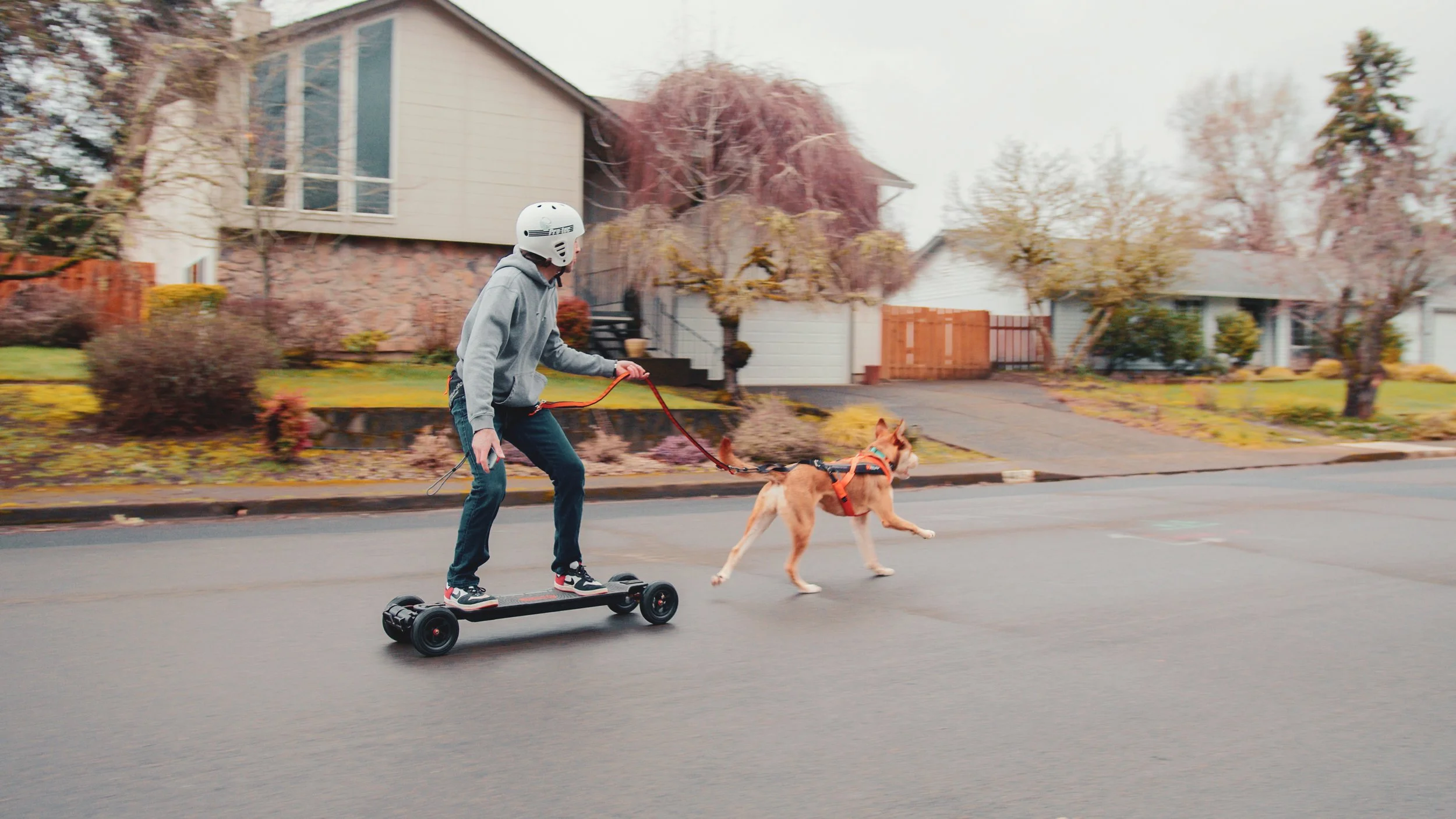
Even people with zero dog training experience can recognize when a dog is doing something it was built to do. You can see the fulfillment in the animal. That’s the important part people miss. Dogs often feel better when they have an outlet for the instincts we selectively bred into them.
A retriever really wants to carry things. A herding dog wants movement and control, and will nip at your ankles to prove it. A sled dog wants to pull…and pull….and play tug of war forever. A terrier wants to chase and dig, and might be a bit more stubborn that other breeds.
You don’t necessarily need to turn your dog into a full-time working animal, but you do need to respect what’s in front of you genetically.
Narrowing Down the Right Breed
When I help people think through breed choices, I usually walk through a mental flow chart.
Here’s some important questions to ask yourself:
How active are you really?
How much daily time can you dedicate to exercise and training?
Do you want a dog that’s independent or highly attached?
Do you want a dog that’s naturally protective or naturally social?
Are you okay with shedding, grooming, slobber, barking, or high prey drive?
Can you handle a dog that constantly needs a job to do?
Is this your first dog?
The answers narrow things down quickly. If someone works 12-hour days, hates hiking, and wants a calm apartment companion, I’m probably not steering them toward a Belgian Malinois.
Likewise, if someone is outdoors constantly, loves training, and wants an active lifestyle companion, a low-energy lap dog may not actually satisfy what they’re looking for.
Time & Energy
This is another conversation people avoid because they feel guilty. Not everybody has two hours a day to run trails with their dog. Balancing your work, life and family is a lot to juggle for anyone. And that’s okay! But you need to account for it honestly.
If you choose a high-drive dog anyway, you still need to meet those needs somehow. Structured play, training sessions, scent work, flirt poles, treadmill conditioning, pulling exercises, and enrichment toys. All of these can help supplement physical and mental stimulation.
Sometimes I tell clients bluntly: if you don’t have the time to physically run your dog every day, then yes, use the treadmill. There’s no shame in using tools responsibly to help fulfill your dog’s needs. The problem isn’t that modern life gets busy. The problem is pretending the dog’s genetics stop mattering because life is busy.
Anatomy
Anatomy matters way more than most people think. This is something that often gets ignored until there’s already a problem. Different body structures come with different limitations and risks.
For example, squishy-faced breeds like bulldogs, pugs, and frenchies, can struggle significantly in hot climates because of how their airways are built. Heat tolerance and exercise need to be heavily monitored, even when your dog is just running about in your backyard or bathing in the sun.
On the other side, deep-chested breeds can be more prone to serious issues like bloat and gastric torsion. That’s why certain activities, like excessive rolling or intense movement immediately after eating, should be approached carefully. Even something as simple as teaching repeated rollover tricks may not be ideal for every body type.
Anatomy isn’t cosmetic. Structure affects movement, breathing, endurance, recovery, and long-term health. The dog’s body should influence your decisions just as much as personality does.
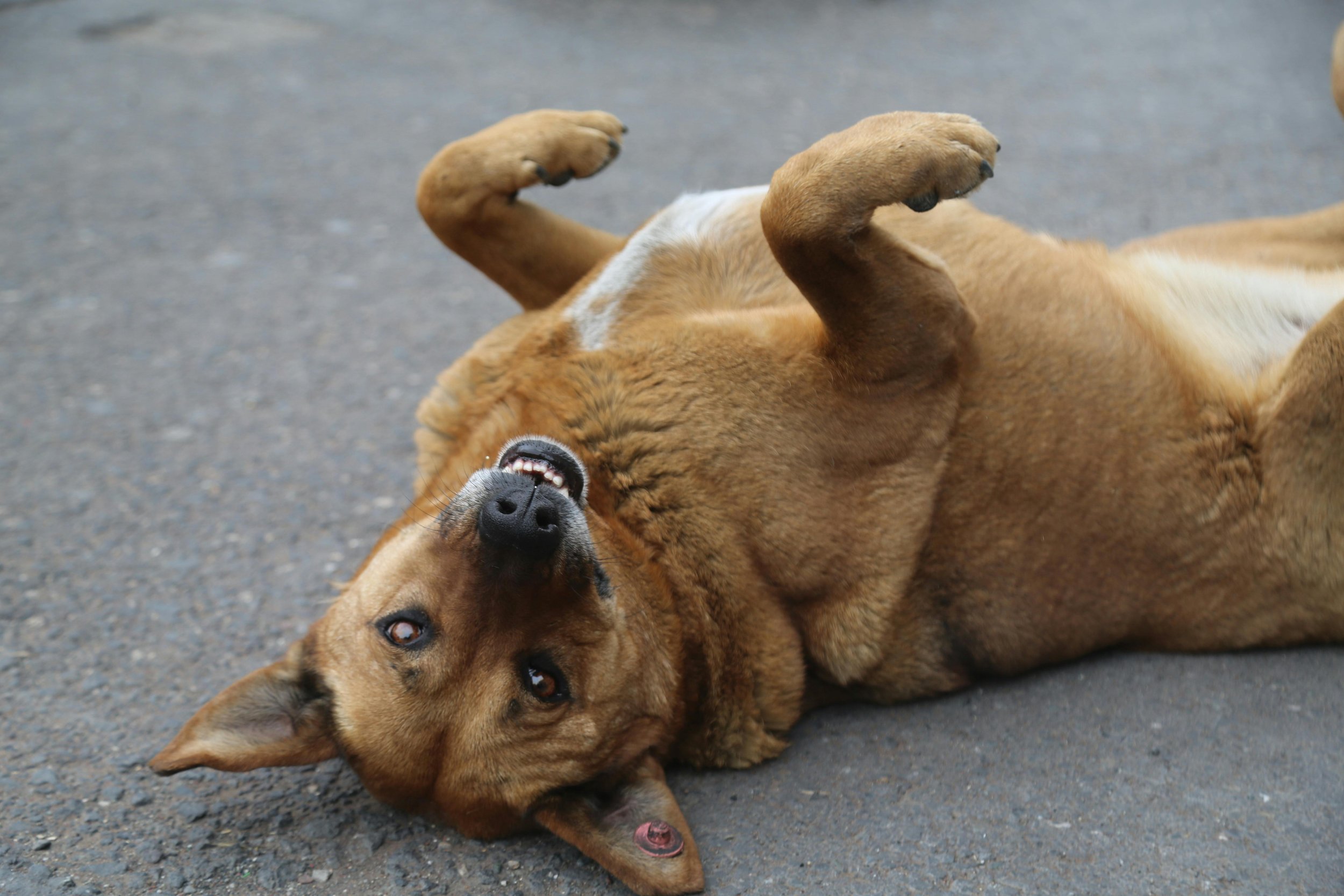
A dog shouldn’t be an accessory, nor a status symbol, an aesthetic choice, or a personality replacement. The right breed for you is the one whose needs fit naturally into your lifestyle, not the one that looks the cutest online. When people take the time to honestly evaluate their lifestyle, experience, activity level, finances, and goals, they usually end up making much better decisions.
And when the fit is right, everything gets easier. Training is more effective, behavior is more consistent, and the relationship with your dog will continue to grow and deepen.
The dog stops feeling like a constant uphill battle and starts feeling like a true companion. That’s the goal.