Make Sure the Piece Fits
There’s a saying I come back to a lot when talking with clients about getting a dog: make sure the piece fits before trying to force it into the puzzle. Dogs are incredible companions, but they’re also living beings with needs, instincts, personalities, and limitations. Too often people fall in love with the idea of a dog before taking an honest look at whether that specific dog actually fits their life. And when the fit isn’t right, both the dog and the owner end up frustrated.
I’ve worked with all kinds of dogs and families across the Portland area. One thing I can say confidently is this: a lot of “behavior problems” start long before training ever becomes part of the conversation. Sometimes the issue isn’t the dog at all, it’s that the environment, lifestyle, or expectations were never a good match in the first place.
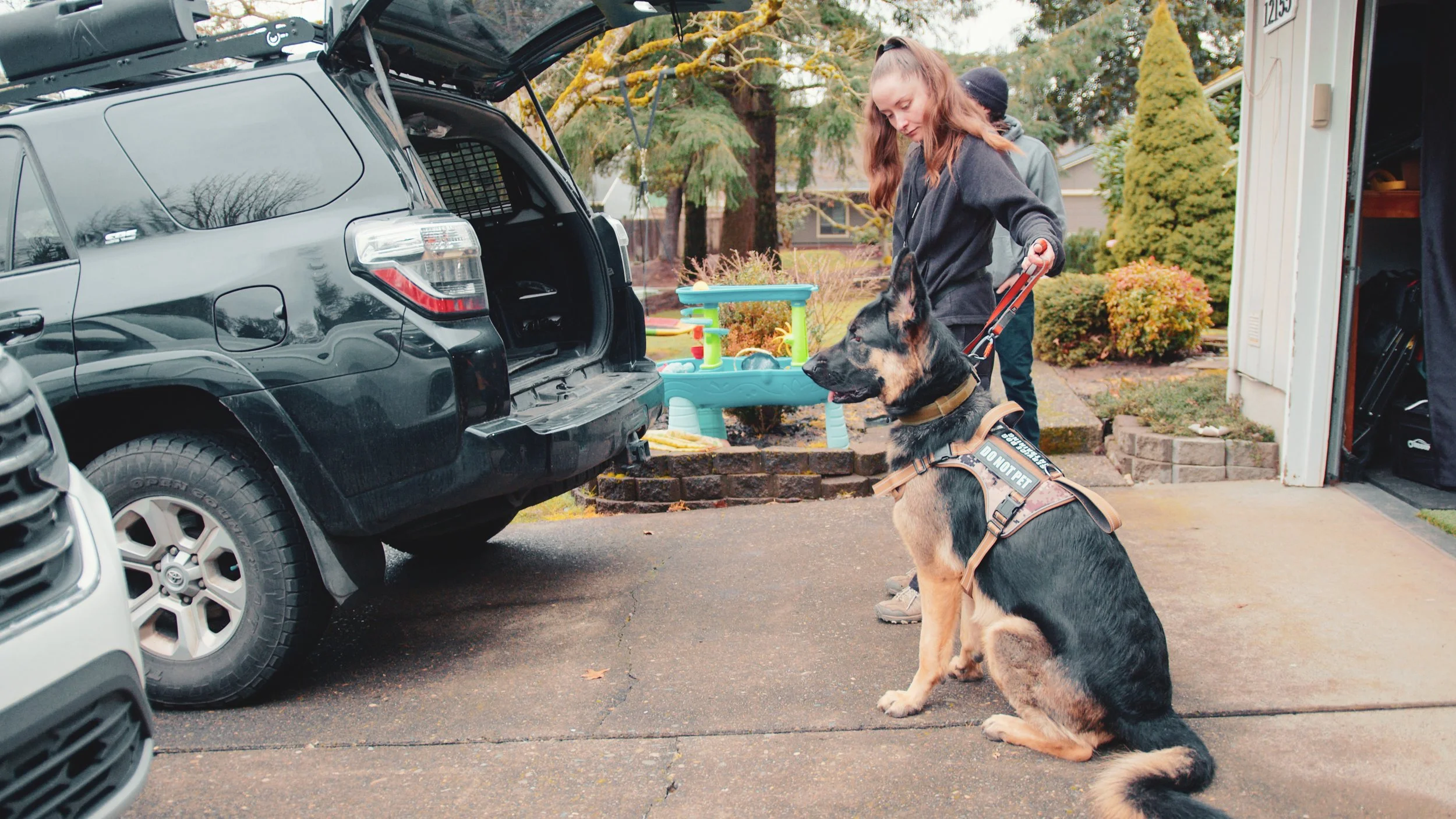
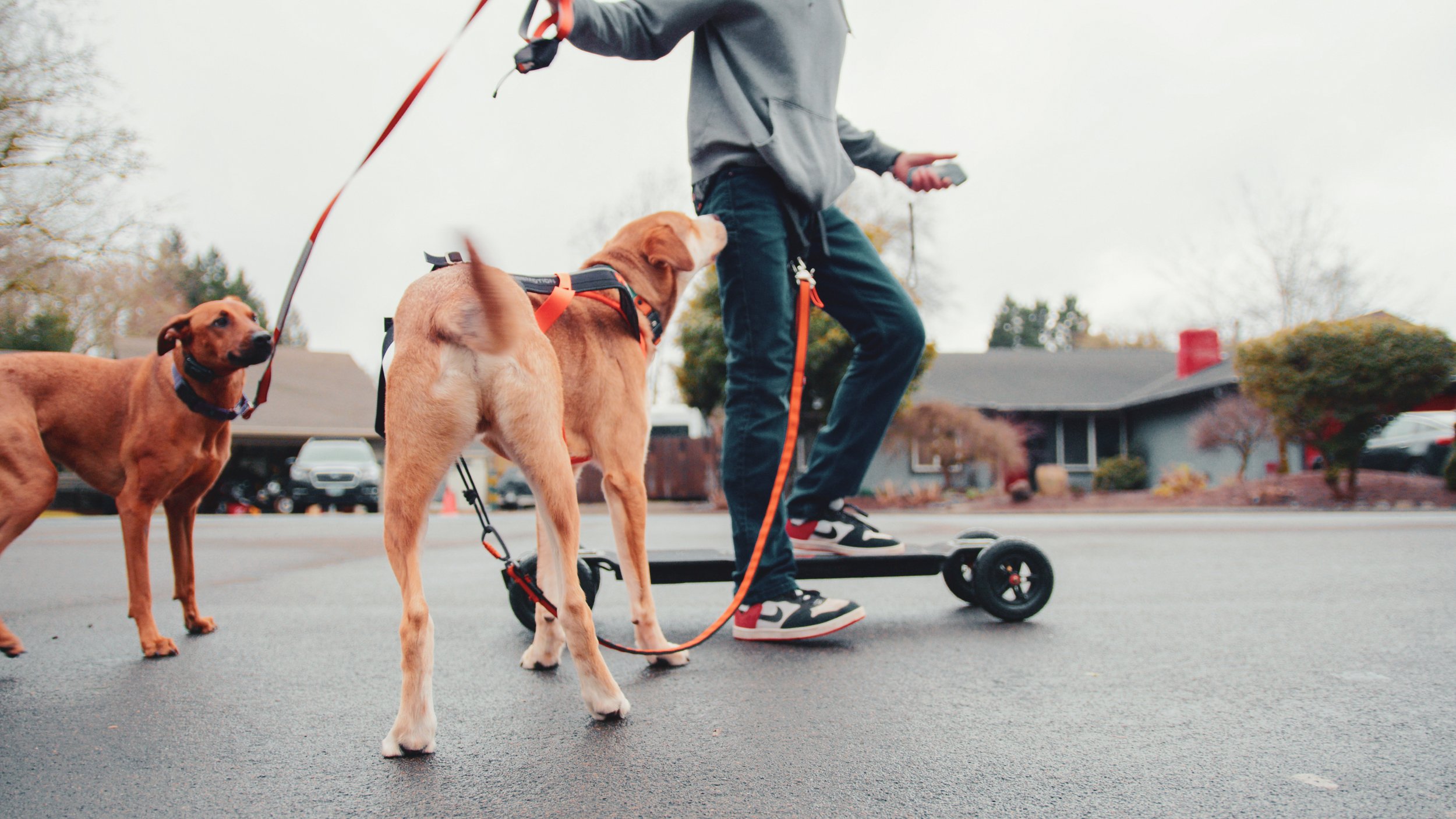
A dog doesn’t just live with you, they live in your environment every single day. That environment matters more than people realize. Do you live in a house with a fenced yard, or a condo with limited outdoor access? Neither is automatically good or bad, but certain dogs will thrive in one and struggle in the other.
A high-drive working breed in a tiny apartment with little daily structure can become destructive, anxious, or reactive. On the other hand, a lower-energy companion breed may do perfectly fine in a condo as long as their needs are met consistently. You also need to think about the other living beings in the home. Other dogs, cats, small animals, and especially kids all change the equation.
And speaking of kids - how many? What ages? There’s a massive difference between a quiet home with one older child and a household with three toddlers running around all day. Some dogs are naturally more tolerant and social. Others need calmer environments and more predictability.
Relationships Matter Too!
This one gets overlooked all the time. Does your partner even want the dog? Or are they just tolerating the idea because you’re excited? I’ve seen situations where one person is fully invested in training and structure while the other undermines boundaries constantly. Dogs notice inconsistency immediately. If the household isn’t on the same page, training becomes ten times harder.
The same goes for kids. Are they old enough to respect boundaries? Do they understand how to interact with animals appropriately? A dog should never be expected to tolerate chaos without guidance and structure from the humans involved. Be honest about your lifestyle. This is probably the biggest factor of all.
Are you active? Do you hike, run, explore, and spend time outdoors? Or are you mostly home after long office days?
Do you work from home? Can you bring your dog to the office? Or are you gone for 10–12 hours a day?
There’s no shame in any of these lifestyles, but they all point toward different kinds of dogs and different management needs. People often pick breeds based on looks, trends, or social media instead of compatibility. That’s how someone working long shifts ends up with a high-drive dog and then wonders why the dog is climbing the walls six months later.
Energy has to go somewhere. Genetics and their intended purpose are good to consider in order to best understand you dog’s behaviors and how to train with them instead of setting them up for discomfort. A dog bred to work all day will find a job if you don’t provide one…and you probably won’t like the job they choose.
Experience Level Is Important
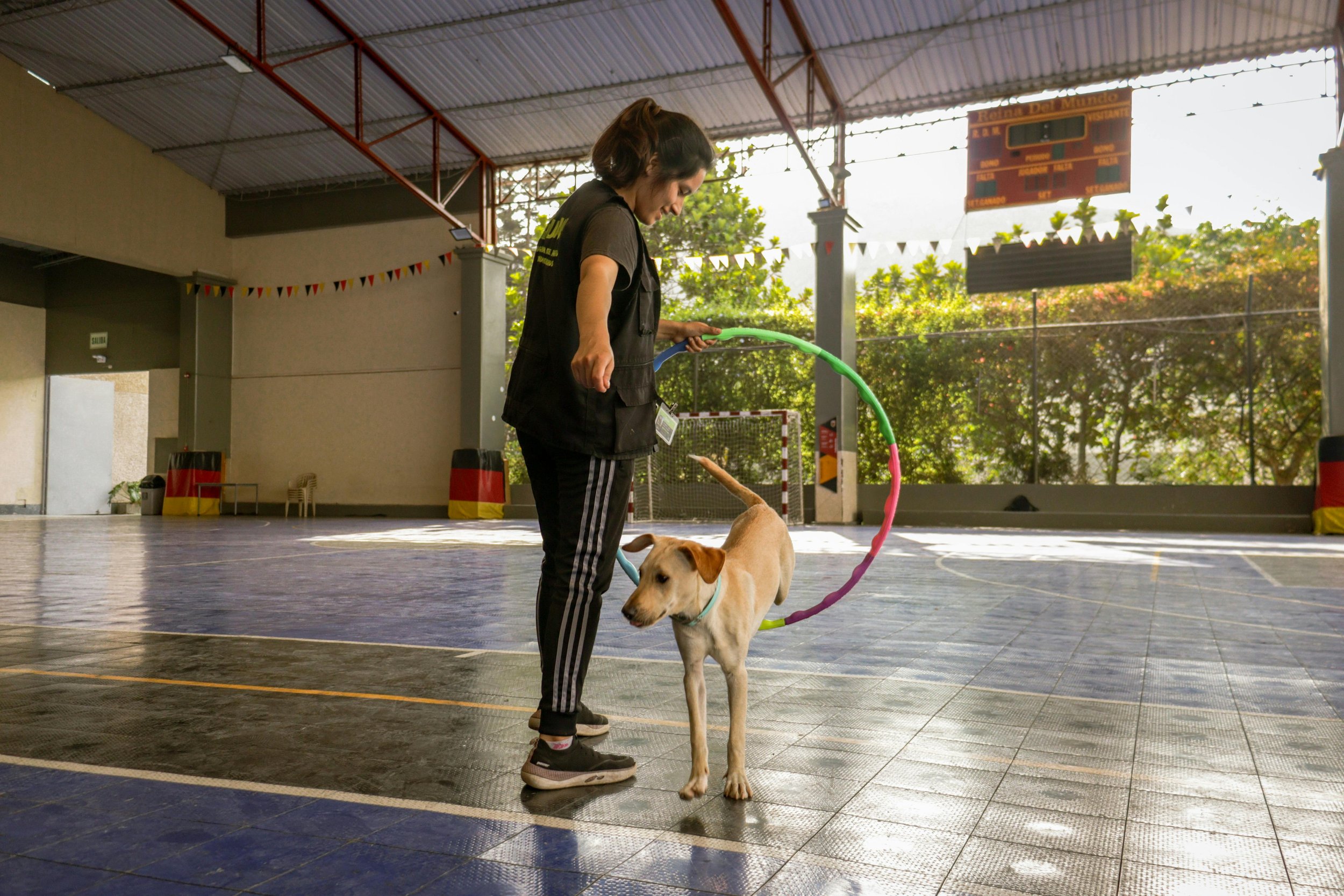
Not every dog is a beginner dog. Some breeds and personalities are far more forgiving than others. Some dogs can bounce back from inconsistent handling with minimal issues. Others require timing, structure, confidence, and experience from day one. That doesn’t mean first-time owners can’t have amazing dogs. It just means you should be realistic about what you’re taking on.
A difficult dog in experienced hands may become an incredible companion. The same dog in inexperienced hands may become overwhelming very quickly. There’s nothing wrong with starting with an easier dog and building your skills over time. And honestly, there’s nothing wrong with needing help either!
One of the biggest mistakes I see people make is letting pride get in the way. They wait too long to ask questions, too long to seek guidance, and too long to admit that they may be over their head. By the time they reach out, frustration has already built on both sides of the leash.
As I often tell clients:
“Do not let pride hinder your progress. True strength lies in recognizing when you need support to continue the work.”
That applies to dogs, training, and life in general.
Can You Financially Support the Dog?
This is another uncomfortable conversation people avoid: Dogs are expensive. Sometimes very expensive.
Different breeds come with different grooming requirements. A short-haired dog and a doodle mix are not going to have the same maintenance costs. Then there’s food quality, training, medical care, supplements, emergency vet visits, medications, and possible breed-specific health issues.
Can you afford pet insurance? If not, do you have savings set aside for emergencies?
Even practical things matter more than people think. What kind of car do you drive? Is transporting a large dog realistic? Can your vehicle safely accommodate crates or travel equipment if needed? These details may seem small individually, but together they determine whether life with that dog will actually be sustainable.
There’s No Shame in Asking for Help
One thing I’ve learned through dog training is that people often treat struggling as something they need to hide, but the reality is that every owner reaches limits at some point. Training can be frustrating, and life gets busy. Dogs can challenge us in ways we never expected. But as I remind people often:
“Reaching the limit of your own capabilities is not a sign of weakness; it is a natural part of the struggle of life.”
I think that applies perfectly to dog ownership and training. Sometimes you need guidance, sometimes you need structure, and sometimes you need another set of experienced hands to help you and your dog move forward. There’s no shame in that, and that’s what I’m here to help with!
When the right dog ends up in the right environment, training becomes smoother, communication improves, and life gets a whole lot easier for everyone involved. That doesn’t mean there won’t be challenges. Every dog requires effort, patience, and consistency. But there’s a huge difference between working with a compatible dog versus constantly fighting against a mismatch in lifestyle and expectations.
The goal shouldn’t just be getting a dog. The goal should be building a life where both you and the dog can succeed together.
That’s why I always tell people: before you fall in love with the dog, make sure the piece fits.