Keeping Your Dog Safe During Portland's Summer Heat
Here's the thing: Just because your dog is willing to keep going doesn't mean they should! One of the biggest mistakes I see during hot weather is assuming our dogs will tell us when they've had enough. The truth is, they usually won't. Dogs don’t understand cause and effect like humans do, and it’s important for you to recognize the difference between your dog comfortably cooling down and struggling to regulate.
Dogs are incredibly smart, but they don't think the same way we do. They're not deciding, "If I keep chasing this ball for another twenty minutes, I might overheat." They're thinking, "My favorite person threw the ball. I should go get it." That's why it's our responsibility to recognize when enough is enough.
Your dog isn't trying to hurt themselves. They just don't understand the long-term consequences of pushing through the heat, and need to learn how to go against their instinct to keep going. Especially if they’re trained to play hard when they see their favorite toy.
In our previous blog post, we go into detail about how to train your dog to wind down in addition to other trained behaviors. Here, we are going to point out some easy preventitive actions:
Check the Pavement Before Every Walk
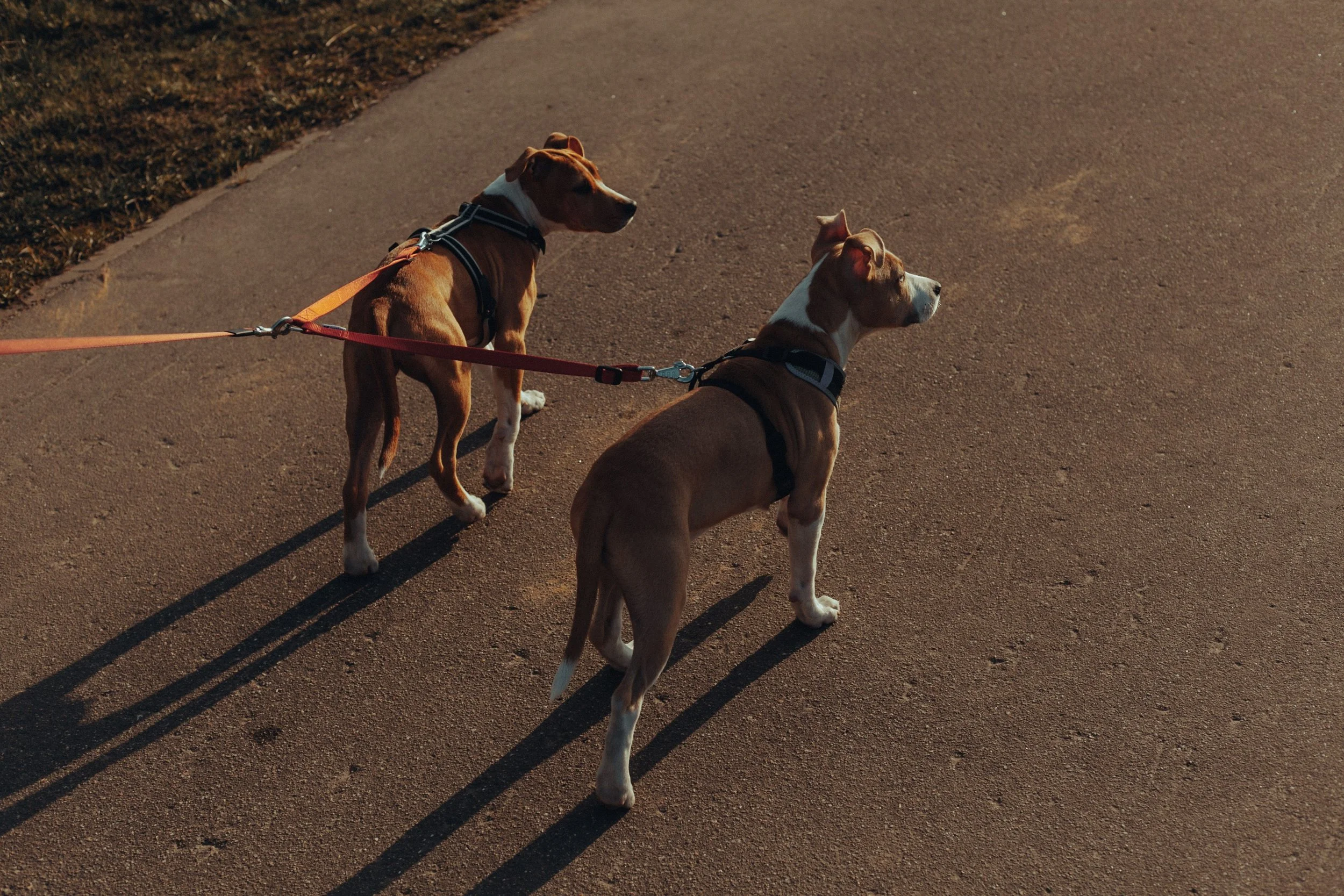
I know you’ve heard this one before, but do you actually do it? Be honest! One of the simplest safety checks takes less than ten seconds. Before heading out, place the palm of your hand flat against the pavement for several seconds. If it's too hot for your hand, it's too hot for your dog's paws.
Burned paw pads are painful, completely preventable, and can take weeks to heal. On especially warm days, try scheduling walks earlier in the morning or later in the evening, or stick to grassy parks and shaded trails whenever possible. Latent heat can linger in the sidewalks for a couple hours, and Oregon summers are considerably more brutal than they used to be. If you haven’t already started to include this in your routine, now’s the time to start!
2. Know the Signs of Heat Exhaustion
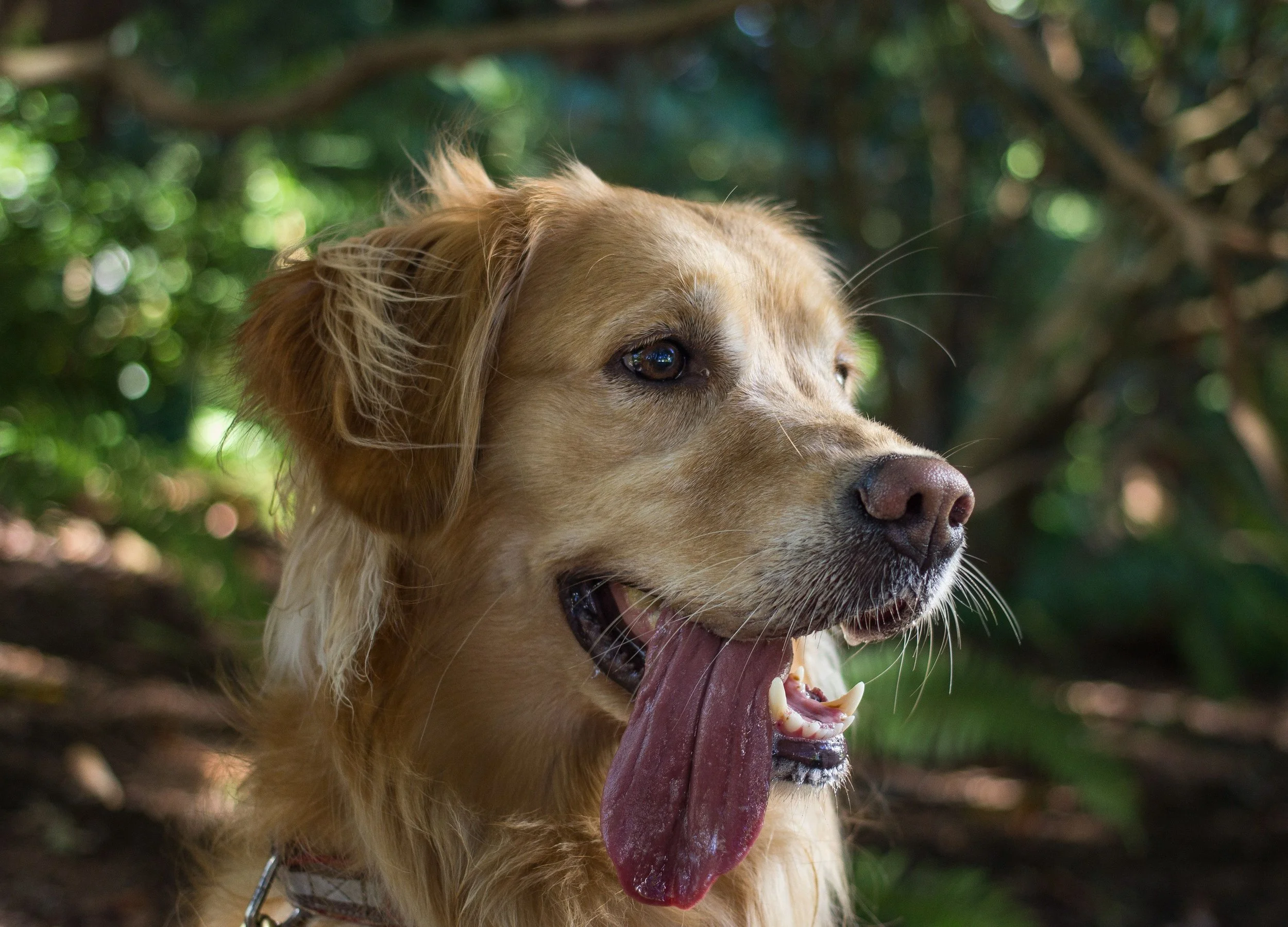
Panting is completely normal. It's how dogs cool themselves down. But there's a difference between a dog who's cooling off and one who's in trouble.
Watch for warning signs like:
Excessive, full-body panting that looks frantic or almost like they're gagging.
A tongue that becomes unusually dark red, purple, or discolored.
Gums and lips that appear pulled back or shriveled rather than relaxed.
Weakness, wobbling, or difficulty recovering after activity.
If you notice these symptoms, stop exercising immediately, move your dog somewhere cool, offer fresh water, and contact your veterinarian right away. Heat-related illnesses can become serious very quickly, so it's always better to be cautious.
3. Have a Stopping Point
Don't let your dog decide when exercise ends - you should.
Whether you're hiking, playing fetch, swimming, or just spending time at the park, go into the activity knowing when you'll call it a day. Your dog may happily chase one more tennis ball…..then another…..and then another. But you’re the one throwing the ball, and training them to be reactive to it. Being a good owner sometimes means ending the fun before your dog realizes they're tired.
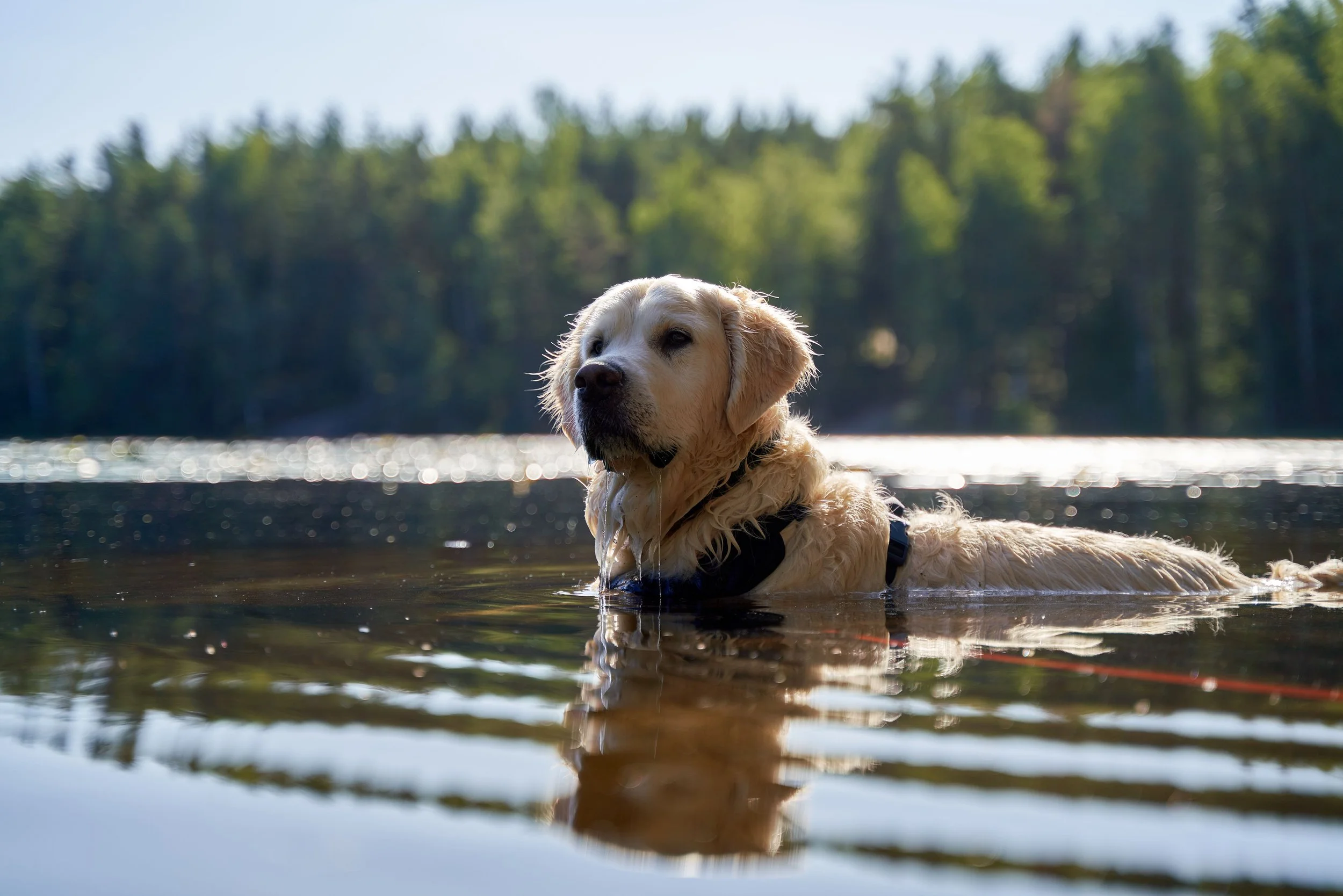
Summer Is the Perfect Time to Slow Down
One thing I actually appreciate about hot weather is that it naturally forces us to change our routine. If it's too hot for a long hike or an hour of fetch, don't feel like you need to replace it with nonstop entertainment or a dozen enrichment activities. Instead, use those quieter moments intentionally. Reward your dog for relaxing while you're making dinner, notice when they settle on their bed without being asked.
Reinforce the moments when they're simply existing peacefully alongside your family. Helping your dog learn how to settle is every bit as valuable as teaching them to play, and those calm moments build emotional regulation they'll use for the rest of their lives.
And yes, if that sounds suspiciously similar to my last blog about teaching your dog to chill out... that's because it is. Turns out, learning how to relax isn't just good manners! It's also an incredibly useful life skill when Mother Nature decides it's 95 degrees outside for an entire week.
Exercise and mental stimulation is important, but keeping your dog safe is even more important. This summer, keep it simple:
Check the pavement. Watch your dog's body language. Know when it's time to head home.
Your dog trusts you to make the decisions they can't, and on hot days, that's one of the most important jobs you have.